“Gamers Left Speechless Worldwide”: GTA 6’s outrageous price unofficially exposed by Switch 2 leak sparks frenzy and industry-wide turmoil
 By
Daniel Okada
By
Daniel Okada
| IN A NUTSHELL |
|
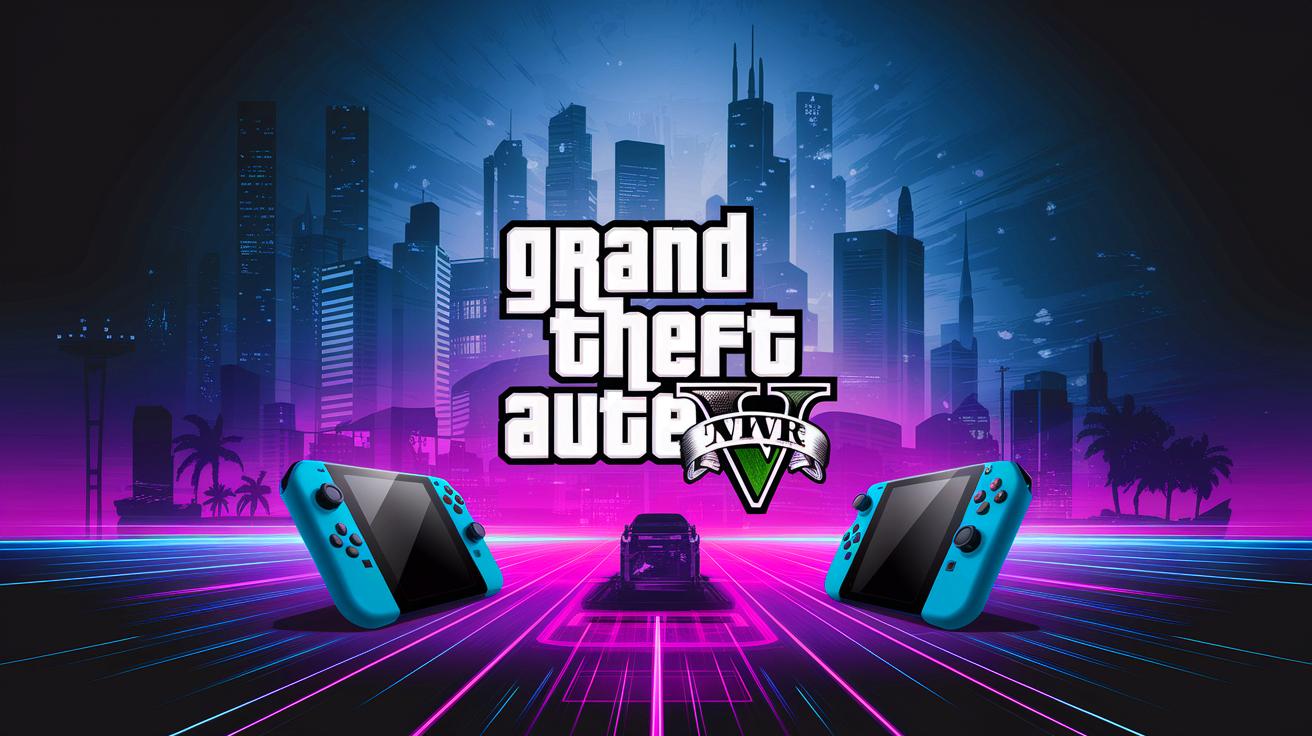
The gaming world is abuzz with the latest developments from Nintendo, following the highly anticipated Nintendo Switch 2 Direct. While excitement initially soared with the announcement of new titles and hardware capabilities, a subsequent revelation about pricing has stirred up quite the conversation. The introduction of the Nintendo Switch 2 has come with a price tag that has left many fans and industry analysts alike in a state of disbelief. This unexpected turn of events not only impacts Nintendo fans but also raises questions about the pricing strategies of other major gaming titles, including the much-awaited Grand Theft Auto VI.
Nintendo Switch 2: A New Era of Gaming
The announcement of the Nintendo Switch 2 has been met with widespread enthusiasm. The console promises to deliver enhanced performance, boasting capabilities of up to 120 frames per second, a feature that is sure to delight gamers looking for a smoother and more immersive experience. Alongside the hardware, Nintendo announced a lineup of exciting titles, including Mario Kart World and a remastered version of The Legend of Zelda: The Wind Waker. Perhaps most intriguing is a new IP from FromSoftware, known as The Duskbloods, which has already been dubbed by some as Bloodborne 2.
The excitement surrounding these announcements was palpable, as fans eagerly anticipated the next chapter in Nintendo’s storied history. However, the celebration was short-lived as Nintendo’s website update revealed the steep pricing attached to these new offerings. The revelation has sparked a debate on whether the enhanced features and new games justify the increased costs.
The Price Tag Controversy
The biggest shock following the Nintendo Switch 2 Direct was the pricing of the new titles. Mario Kart World, a flagship title for the platform, is set to launch at a staggering price of $69.99 / £74.99, which is a significant increase from the current standard of $59.99 / £59.99 for Nintendo Switch games. This change represents a $10 / £15 increase per game, a decision that has left many fans questioning the value proposition.
Moreover, the console itself, along with additional accessories like Joy-Cons and a new camera, adds to the overall cost that consumers will have to bear. The pricing strategy has drawn comparisons to potential pricing for other high-profile games, such as Grand Theft Auto VI, prompting discussions about the future of game pricing in the industry. With the precedent set by Nintendo, it’s clear that the landscape of gaming economics may be undergoing a significant shift.
Implications for Grand Theft Auto VI
The pricing revelations from Nintendo have inevitably led to speculation about other major titles, particularly Grand Theft Auto VI. Industry analysts have previously suggested that Rockstar Games might consider a price point of $100 for their upcoming blockbuster, a claim that was initially met with skepticism. However, Nintendo’s decision to price Mario Kart World at a near-astronomical price has given credence to the possibility that Rockstar could follow suit.
Given the immense hype and anticipation surrounding GTA VI, Rockstar may feel justified in setting a premium price for what is being hailed as the biggest game of all time. While this remains speculative, Nintendo’s bold pricing strategy has certainly opened the door for other game developers to explore similar pricing models. The question now is whether consumers are willing to accept these changes, or if it will lead to a backlash against rising game costs.
The Future of Gaming Economics
The developments with the Nintendo Switch 2 and the potential implications for GTA VI highlight a broader trend in the gaming industry. As production costs rise and games become more complex and feature-rich, companies are exploring ways to maintain profitability. The introduction of higher price points is one method, but it comes with the risk of alienating loyal customers who may not be willing or able to afford the increases.
As the industry continues to evolve, it will be crucial for companies to strike a balance between delivering high-quality content and ensuring accessibility for a wide audience. The decisions made by companies like Nintendo and Rockstar in the coming months will likely set the tone for the future of gaming economics. Will consumers embrace these changes, or will they push back against what some perceive as inflated costs?
As we witness these shifts in the gaming industry, one must wonder: are these pricing strategies a necessary evolution in gaming, or do they risk alienating the very fans that make these games successful? How will gamers react to these new economic realities, and what strategies will companies employ to keep their audiences engaged and satisfied in this rapidly changing market?