“This Changes Everything”: French Bike Promises Unlimited Range Without Recharging (and it’s already revolutionizing travel)
 By
Anjali Mehra
By
Anjali Mehra
| IN A NUTSHELL |
|
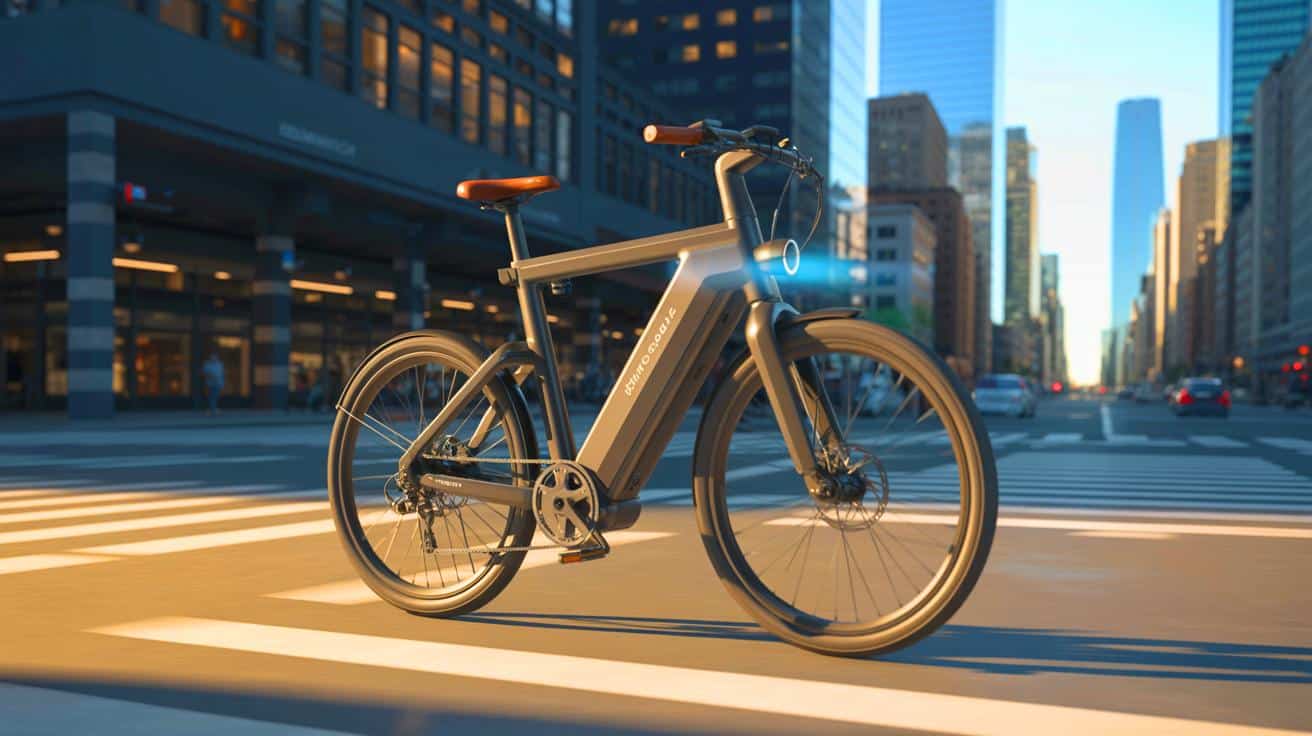
The Pi-POP electric bike, a groundbreaking innovation from France, is poised to redefine urban mobility. Unlike conventional electric bikes that rely on lithium batteries, the Pi-POP employs supercapacitors, offering near-unlimited range and sustainability. This technology addresses both environmental and practical concerns, providing an eco-friendly alternative for urban commuters. As cities worldwide grapple with environmental challenges, the Pi-POP emerges as a beacon of sustainable transport. How does this bike achieve its unique blend of performance and environmental consciousness?
The Ingenious Functionality of Pi-POP
The Pi-POP operates through a cleverly designed system that optimizes energy usage. At its core is a rear-wheel motor that not only provides electric assistance but also generates energy. This dual-purpose mechanism captures energy during pedaling, braking, and descending, which is then stored for later use. This process offers an efficient means of supporting riders during starts or uphill climbs, enhancing the overall cycling experience. By replacing lithium batteries with supercapacitors, the Pi-POP achieves almost unlimited autonomy.
Supercapacitors, known for their ability to rapidly store and discharge energy, extend the bike’s lifespan to 15 years, far exceeding current industry standards. This innovation reduces the need for frequent recharges, thereby decreasing the carbon footprint. By addressing today’s energy challenges, the Pi-POP presents itself as an eco-friendly and viable alternative.
A French Technology in Service of Ecology
By opting out of lithium batteries, the Pi-POP marks a significant ecological advancement. Lithium batteries have faced criticism for their environmental impact, particularly due to the extraction of rare metals. In contrast, the Pi-POP utilizes supercapacitors made from carbon and aluminum, materials that are both abundant and recyclable. This choice underscores a commitment to reducing environmental impact while providing a sustainable solution.
The absence of a need for electrical recharging translates into energy savings over its lifetime. For environmentally conscious city dwellers, this bike offers a respectful alternative, combining performance and durability. This innovative approach might influence the electric bike market and encourage similar initiatives.
Benefits Without the Drawbacks
The Pi-POP boasts numerous advantages that make it particularly appealing. Its 250W assistance capability allows speeds of up to 15.5 mph, all while adhering to legal standards. A torque sensor adjusts the assistance based on the cyclist’s effort, ensuring a smooth and personalized ride. With its unlimited range, users no longer need to worry about battery depletion during daily commutes.
Beyond its performance, the Pi-POP is lighter than conventional electric bikes, enhancing maneuverability. Eligible for purchase incentives, it aims to be accessible to a broad audience. By combining practicality and environmental respect, the Pi-POP establishes itself as a competitive alternative in the electric bike market.
Comparative Overview of Pi-POP Features
| Feature | Pi-POP | Standard Electric Bike |
|---|---|---|
| Energy Source | Supercapacitors | Lithium Battery |
| Autonomy | Unlimited | Constrained by Battery Capacity |
| Component Lifespan | 15 years | 5-7 years |
| Main Materials | Carbon, Aluminum | Rare Metals |
As climate and energy challenges grow, innovations like the Pi-POP pave the way for a more sustainable future. By blending performance, ecology, and practicality, this battery-free electric bike could set new standards for urban mobility. As cities strive to reduce their carbon footprints, will the Pi-POP become an essential model for tomorrow’s eco-friendly transportation solutions?