“Wait, It Doesn’t Use Gas?”: New Hydrogen Supercar Threatens Electric Cars with 1,600 km Range (It’s Here Now)
 By
Anjali Mehra
By
Anjali Mehra
| IN A NUTSHELL |
|
The automotive industry is undergoing a transformative phase, driven by the need to reduce carbon emissions and develop sustainable transport solutions. While electric propulsion dominates the current discourse, other technologies such as hydrogen vehicles and biofuels are emerging as viable alternatives. These innovations are poised to gradually replace internal combustion engines, addressing growing environmental concerns. One of the most exciting developments is the emergence of the so-called “hydrogen beast,” a breakthrough that could redefine the market for alternative vehicles. However, what challenges and opportunities do these new technologies present?
Increasing the Presence of Alternative Engine Technologies
For over a decade, the transportation sector has been central to debates about the use of fossil fuels. Car manufacturers are under pressure to demonstrate their commitment to the planet’s future by offering advanced alternative engine options while aiming for carbon neutrality to stay competitive. Despite the technology being ready, sales of electric vehicles and other alternative engines have plateaued. Their high entry cost and lack of supporting infrastructure hinder widespread adoption. Yet, some countries, like Norway, have shown that full adoption is feasible. Last year, 89% of new vehicle sales in Norway were electric cars, and the nation hopes to reach 100% soon.
The New “Hydrogen Beast” From This Automaker
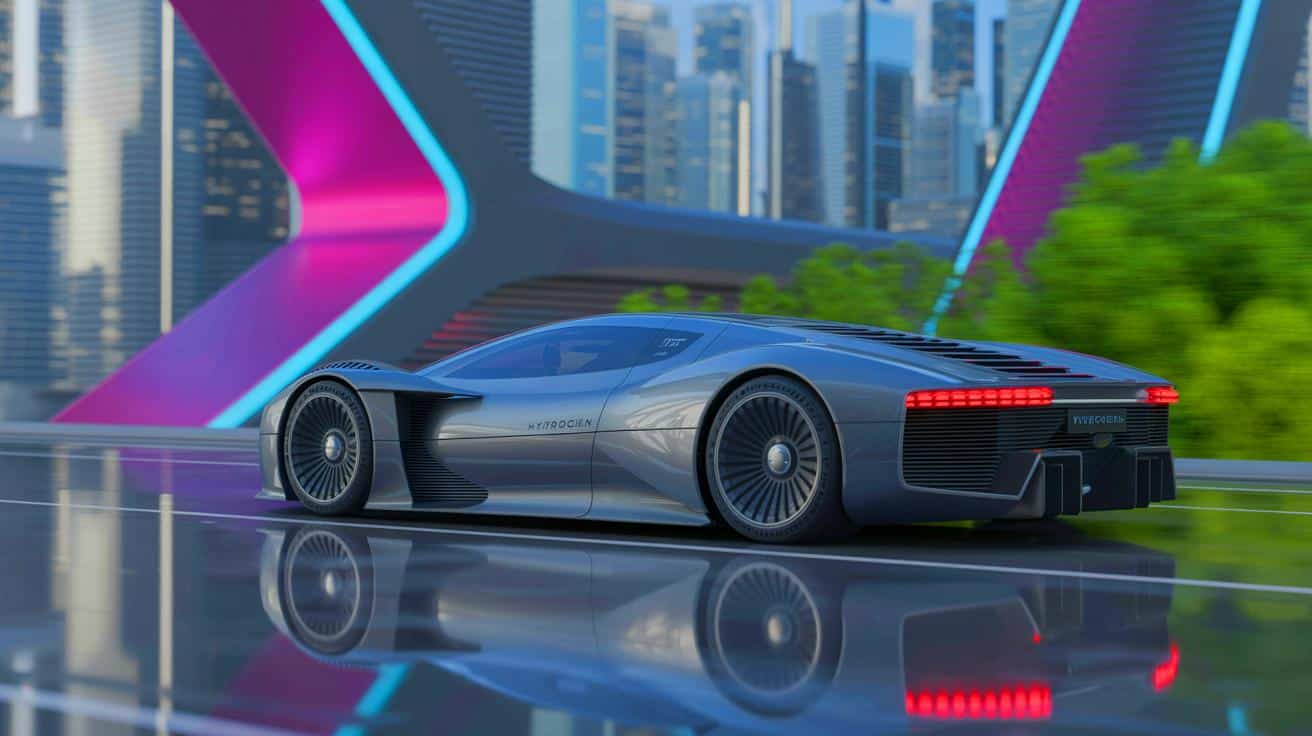
Despite the popularity of electric vehicles, developments in hydrogen fuel cells are gaining momentum. More automakers are adding hydrogen models to their lineups alongside their electric vehicles. Hyperion Motors recently unveiled its XP-1, the first hydrogen supercar produced by an American manufacturer. With 2,038 horsepower, it can reach 60 miles per hour in under 2.2 seconds and has a top speed of 221 miles per hour. Its range is 1,016 miles, and refueling takes only three to five minutes, a significant advantage over electric vehicles. The “hydrogen beast” is priced at approximately $2.1 million, and orders are already open.
Can Hydrogen and Electricity Coexist?
Hydrogen fuel cell technology, though criticized by some electric vehicle advocates, continues to make strides. Japanese automakers, in particular, firmly believe that hydrogen and electricity must coexist to achieve carbon neutrality. Toyota, for instance, not only promotes this technology but also collaborates with other manufacturers to help them develop their own hydrogen models. According to Jay Sackett, chief engineer at Toyota, “We are collaborating with companies that would traditionally be our competitors to develop standards for hydrogen refueling connections.” This cooperation underscores the importance of unity in the quest for a sustainable future.
| Aspect | Electric Vehicles | Hydrogen Vehicles |
|---|---|---|
| Refueling Time | Several hours | 3-5 minutes |
| Range | Varies | 1,016 miles |
| Cost | Varies | Approx. $2.1 million |
The Role of Infrastructure in Hydrogen Vehicle Adoption
The development and adoption of hydrogen vehicles are heavily dependent on refueling infrastructure. Unlike electric vehicles, which require charging stations, hydrogen vehicles need specialized refueling stations. Currently, the lack of these facilities limits the reach of hydrogen vehicles. However, several initiatives aim to develop this infrastructure, with investments in refueling stations in key regions. This expansion is crucial for hydrogen vehicles to become a viable option for the general public. The question remains: will these efforts be enough to overcome the logistical and economic challenges associated with the widespread adoption of this technology?
As the debate over the future of alternative engines continues, the rise of hydrogen vehicles raises many questions. Their advantages in terms of refueling speed and range are undeniable, but challenges remain, particularly regarding infrastructure and public perception. How will the automotive industry overcome these obstacles to fully integrate hydrogen vehicles into our daily lives?