“This Electric Air Race Changes Everything: Prepare for a Shock as It Flies Over Your City”
 By
Anjali Mehra
By
Anjali Mehra
| IN A NUTSHELL |
|
In recent years, the concept of personal air racing has moved from science fiction to reality, capturing the imagination of aviation enthusiasts worldwide. Spearheading this evolution is the Jetson Air Games, which are set to redefine how we perceive personal air mobility. These games offer a thrilling new dimension by turning personal electric aircraft into tools of competition. Jetson Aero, the company behind this initiative, has already made significant waves with its cutting-edge demonstrations and ambitious vision for the future. As the market for personal aircraft expands, the prospect of competitive electric aircraft racing becomes ever more tangible.
The Birth of Jetson Air Games
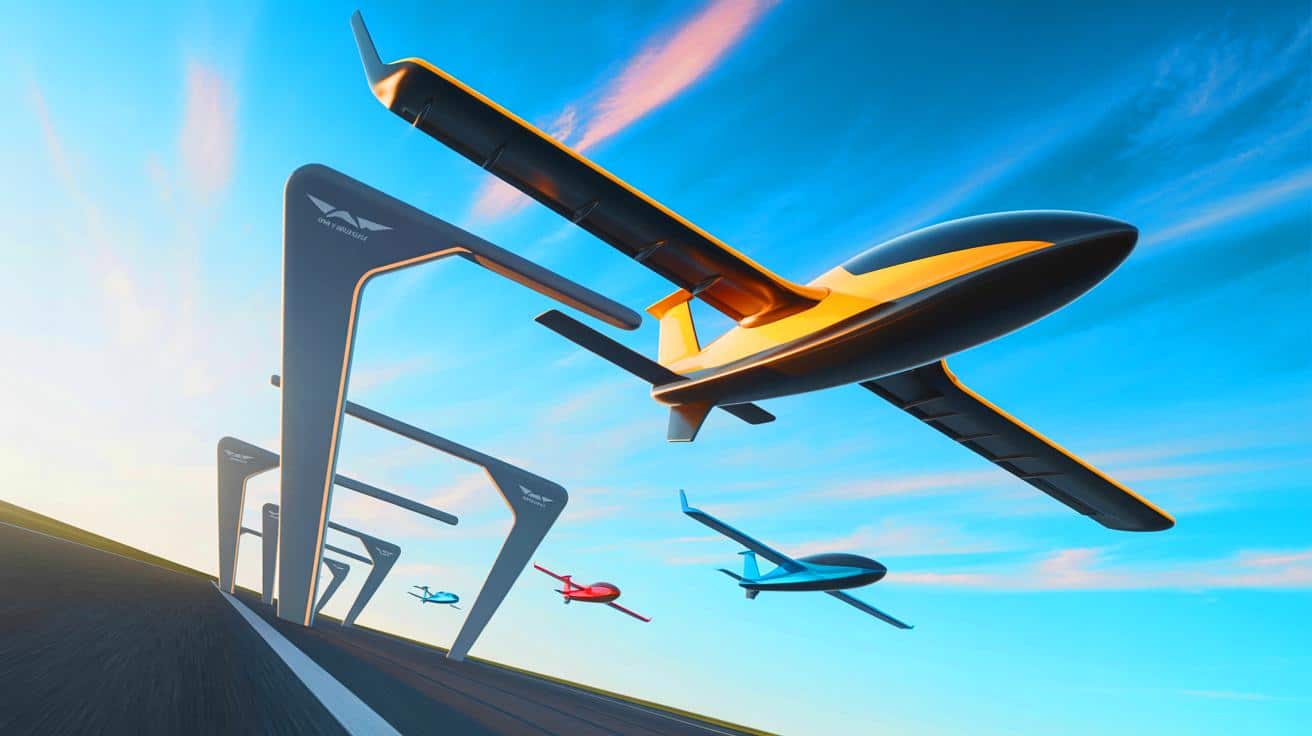
The Jetson Air Games were officially introduced at the UP Summit 2025 in Bentonville, Arkansas, an event dedicated to transportation innovation. This marked a pivotal moment for Jetson Aero as it aimed to transform the landscape of personal air mobility through sport. The summit featured dynamic aerial demonstrations, including the first formation dance with four aircraft and a high-speed race around iconic pylons. Tomasz Patan, the founder of Jetson, expressed his pride in the event’s energy and the potential to open a new chapter in aviation.
While similar concepts have been tested before, notably by Airspeeder in Australia, those races did not involve onboard pilots. Jetson changes the game by offering a more immersive experience, promising unique sensations for pilots. What was once a futuristic dream is now within reach, offering an exhilarating new sport for aviation enthusiasts.
Technology and Performance of the Jetson ONE
Central to this revolution is the Jetson ONE, an aircraft that combines innovation with performance. Featuring eight rotors mounted on an X-shaped frame, the Jetson ONE can reach a top speed of approximately 63 mph. The pilot is seated in a lightweight yet sturdy aluminum and carbon fiber frame, ensuring both safety and agility. Control is executed via a four-axis joystick, providing exceptional maneuverability.
Equipped with a high-discharge Li-Ion battery, the Jetson ONE offers a flight autonomy of around 20 minutes. While this may seem brief, it is ample for thrilling races. Potential buyers should note that production is sold out until 2027, but reservations for 2028 are available with a deposit of $8,000, with the total price currently set at around $128,000.
Commercial Success and Future Prospects
Jetson has experienced remarkable commercial success, with approximately 550 orders already secured. The first unit was delivered to Palmer Luckey, the founder of Oculus, highlighting the excitement surrounding these personal aircraft. Owners, like Luckey, are eager to explore their aircraft’s capabilities, particularly the top speed, which is software-limited.
The price of these aircraft is set to increase to approximately $148,000 starting November 3, reflecting the growing demand and production costs. Jetson continues to innovate, focusing on enhancing user experience, safety, and efficiency. This growth dynamic suggests a promising future for personal air racing.
Impact on Mobility and the Aviation Community
The Jetson Air Games could significantly impact personal mobility by democratizing access to air racing, ushering in a new era of transport. The implications for the aviation community are vast, from training new pilots to establishing specific regulations for such events.
While the prospect of personal air racing raises questions about the necessary infrastructure and the environmental impact of frequent flights, public enthusiasm and the commitment of companies like Jetson indicate that the potential benefits might outweigh the challenges. As the Jetson Air Games gain popularity, they prompt a critical question: How will these air races transform our perception of mobility and influence the evolution of personal aviation in the coming years?
The emergence of personal air racing is a testament to human ingenuity and the relentless pursuit of innovation. As these races gain traction, they not only offer a new form of entertainment but also challenge us to rethink transportation. What will be the next frontier in aviation, and how will it shape the way we move and connect in the future?