NASA engineers now model launch shocks before a rocket flies
A Kennedy Space Center team swapped rules of thumb for a shared software workflow, and its first use on a commercial rocket exposed a testing gap.
 By
Anjali Mehra
In brief
- NASA’s Dynamic Environments Group has built a standard modeling workflow for shock and vibration analysis.
- The workflow relies on a commercial software tool applied in a new way.
- Its first use came while certifying a commercial rocket chosen for a NASA mission.
- NASA says the capability has already saved months of work.
Engineers at NASA’s Kennedy Space Center now predict the shaking and shocks a rocket and its cargo will endure with a standardized computer workflow, rather than leaning mainly on estimates from earlier flights. According to NASA, the effort originates with the Dynamic Environments Group, a team housed within the Launch Services Program Office.
Why the ground is the only place to fix launch problems
Rockets vibrate, shake and flex intensely on the way to space, and the delicate instruments they carry have to survive it. Such stresses may cause gradual wear, or even outright flight failures, particularly during launch and ascent. The stakes are lopsided: problems can be addressed while the vehicle is on the ground, but once it leaves the pad, most cannot be repaired or corrected.
Weather satellites, space telescopes and Mars rovers all reach orbit or their destinations on rockets that the Launch Services Program Office is in charge of sending up. Alex Hardt, an aerospace engineer with the office, describes the group’s role this way: «We define how severe the random vibration levels and shock levels are, and then we verify that all the parts going on future rockets have been tested to those levels, maximizing their longevity.»
From rules of thumb to a shared template
For decades, engineers estimated shock and vibration environments by applying rules of thumb or by scaling data from previous missions. NASA says this approach did the job, yet it relied strongly on the judgment of engineers and on basic approximations taken from earlier flights.
The new approach uses a commercial digital software tool in a way the discipline had not tried. Hardt notes the tool is old: “We are using a tool that’s existed for decades, but it’s not normally used by the dynamic environments disciplines.”
| Aspect | Earlier practice | New workflow |
|---|---|---|
| Basis of estimates | Rules of thumb or scaled data from earlier missions | Finite element modeling with a standardized workflow |
| Tools | Older tools, with workflows engineers often had to re-learn | Software that replaces them and supplies a standard template |
| Guidance | Heavy reliance on engineering judgment | A template guiding engineers through vibration profiles and shock conditions |
The re-learning problem is practical: most dynamic environments engineers use finite element tools only occasionally, so a template that walks them through the steps saves effort each time.
First test on a commercial rocket
For the first time, the team applied the software while certifying a rocket from a commercial launch provider that had been chosen for a NASA mission. The provider had supplied vibration testing but no shock testing. The group concluded that shock testing was needed.
Using the template it had built, the group ran what-if comparisons and visualized how the structure behaved, work that would once have demanded extensive manual modeling. The team then verified the company’s test results for flight environments, and the analysis added new insight on shock during transport.
“We’ve used it to get really valuable insight very quickly into verifying a provider’s system,” Hardt said.
Months saved, new risks found
NASA reports that the capability has already saved months. Engineers can run analyses on their own instead of requesting reports or data and waiting for them. It has also helped the team identify risks that had not been considered before.
Brian Beaver leads the Flight Analysis Division within the Launch Services Program Office. He says: «This computer-based method helps predict how rockets and spacecraft behave under extreme conditions before hardware is built and helps identify weak spots and potential failure risks early so the team can address the findings.» Hardt adds that visualizing counterintuitive dynamics in the models supports learning and lets engineers share knowledge and refine assessments as more flight data arrives.
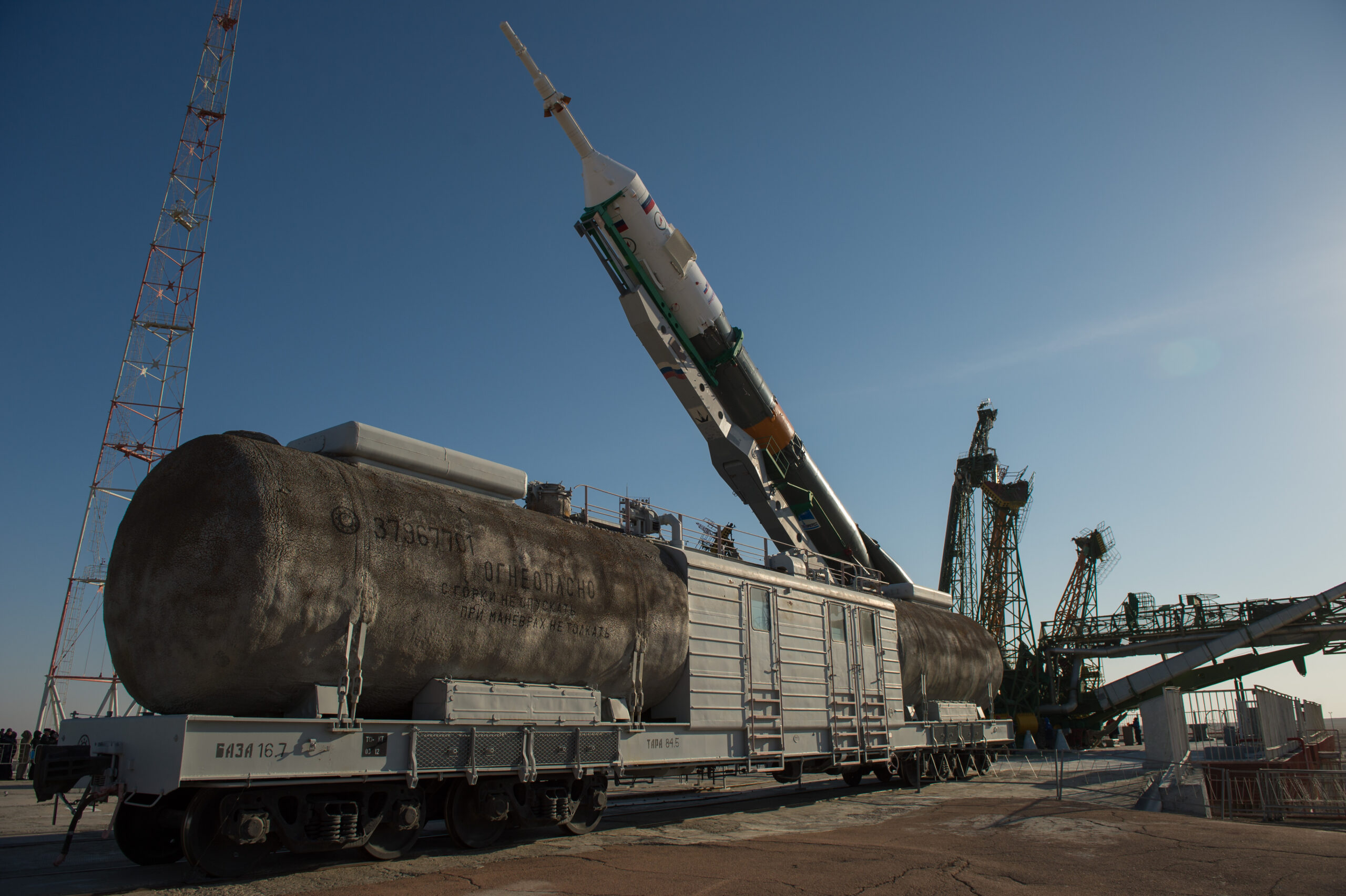
Photo: Carla Cioffi / Wikimedia Commons