
“An Unstoppable Force Engulfs the Sky”: Unveiling the World’s Largest Wind Turbine and Its Astounding Impact on Energy
 By
Nathan Lieu
By
Nathan Lieu
| IN A NUTSHELL |
|
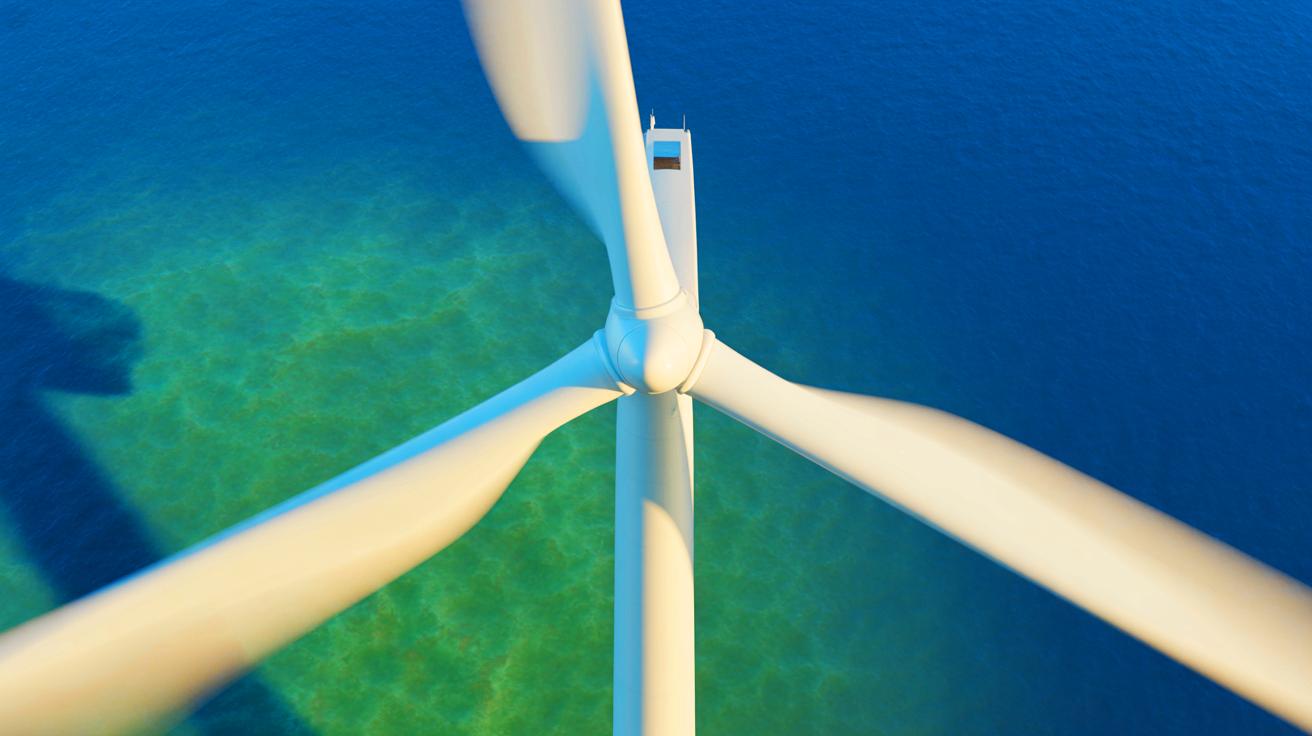
The recent unveiling of the world’s largest wind turbine in China signifies a landmark achievement in renewable energy. This colossal structure, with its vast rotor diameter, covers an area comparable to nine football fields, showcasing an extraordinary feat of engineering. However, such progress is not without its controversies. Concerns surrounding its environmental impact, particularly on marine ecosystems and bird migration paths, are being raised. As China cements its position as a leader in green technology, the global energy sector watches closely, pondering the balance between the benefits of renewable energy and environmental preservation.
The Engineering Marvel of a Giant Turbine
China’s latest wind turbine is a testament to human ingenuity and the potential for sustainable energy. With a staggering capacity of 16 megawatts, this turbine sets a new benchmark in wind energy technology. Designed by Mingyang Smart Energy, it symbolizes a commitment to cleaner energy solutions. Despite its impressive capabilities, the turbine’s massive scale presents challenges regarding its maintenance and ecological effects. The engineering prowess required to construct such an enormous structure is undeniable, yet it necessitates ongoing scrutiny to ensure that its environmental impact is minimized.
The enormity of the turbine, spanning over 46,450 square feet, raises questions about long-term sustainability. As the world increasingly shifts towards renewable energy, the durability and ecological footprint of such infrastructure must be considered. Ensuring that technological advancements do not compromise environmental integrity is a critical aspect of this ongoing dialogue.
Environmental Concerns and Balancing Benefits
The introduction of this mammoth wind turbine has sparked discussions around its environmental repercussions. Experts are particularly concerned about the potential disruptions to marine life and the migratory patterns of birds. The delicate balance between harnessing substantial energy benefits and preserving natural ecosystems presents a complex challenge. Continuous evaluation is crucial to ensure that the drive for renewable energy does not come at the expense of the environment.
The scientific community plays a vital role in researching and understanding these impacts. By thoroughly investigating the ecological consequences, steps can be taken to mitigate negative effects while maximizing the turbine’s energy contributions. This ongoing research is essential for aligning technological innovation with environmental stewardship.
China’s Emergence as a Renewable Energy Leader
China’s deployment of the world’s largest wind turbine underscores its leadership in the renewable energy sector. Historically criticized for its pollution levels, China now demonstrates a significant shift towards sustainable practices. The country’s commitment is evident in its ambitious projects, such as the Three Gorges Dam and vast solar farms, which position China as a pivotal player in green technology.
| Type of Energy | Flagship Project |
|---|---|
| Hydroelectric | Three Gorges Dam |
| Offshore Wind | World’s Largest Turbine |
| Solar | Largest Solar Farm |
These projects reflect China’s strategic intent to dominate the green energy market. As nations worldwide seek sustainable energy solutions, China’s advancements serve as a potential blueprint for others to follow. The global implications of China’s renewable energy initiatives are profound, influencing energy policies and practices worldwide.
Future Prospects for Offshore Wind Energy
The development of offshore wind energy is poised for further growth, with Mingyang Smart Energy planning an even more powerful 22-megawatt turbine by 2025. This innovation could revolutionize offshore energy production, utilizing advanced composite materials like carbon fiber. Such advancements present a viable alternative to aging nuclear power plants, promising cleaner energy solutions.
However, critical questions remain about how these innovations will reshape the global energy landscape. The potential impact on future energy consumption patterns is significant, necessitating careful consideration of how best to incorporate these technologies into existing frameworks. The future of offshore wind energy appears bright, with ongoing advancements paving the way for a more sustainable energy future.
The inauguration of China’s massive wind turbine presents both challenges and opportunities. While it promises cleaner energy output, it also demands a reassessment of environmental and technological impacts. As the world grapples with the need for sustainable energy, which path will we choose for our global energy future?