At $7,000 a Ticket, This Supersonic Jet Shattered Time, Bringing Celebrities Across the Atlantic in Hours
 By
Anjali Mehra
By
Anjali Mehra
| IN A NUTSHELL |
|
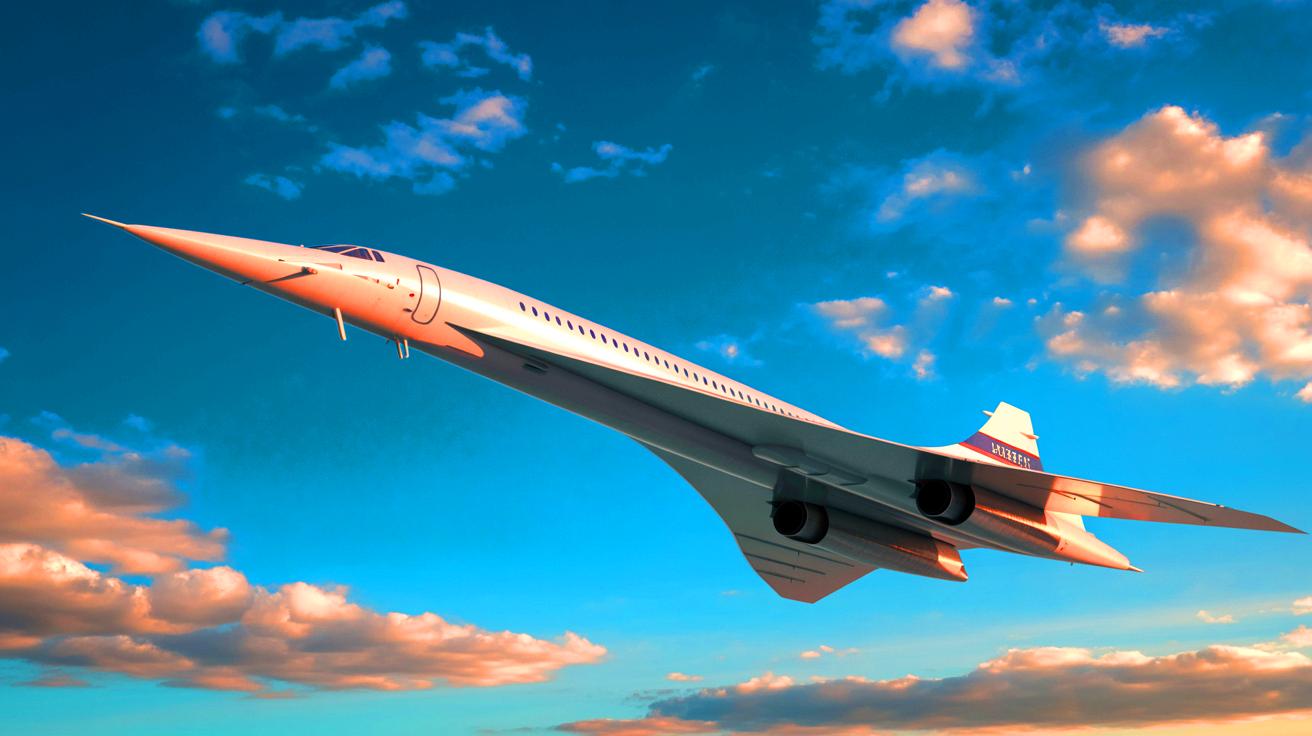
The Concorde stands as one of the most iconic achievements in aviation history, known for its ability to travel at supersonic speeds, reaching Mach 2. This Anglo-French collaboration not only pushed the boundaries of technology but also redefined luxury travel for an elite clientele. Despite its retirement in 2003, the Concorde’s legacy continues to captivate enthusiasts and inspire advancements in supersonic aviation. This article delves into the remarkable journey of the Concorde, exploring the intricacies of the project, its triumphs, and the factors leading to its eventual retirement. Through this exploration, we aim to understand the enduring impact of this legendary aircraft.
Franco-British Cooperation: A Technological Challenge
The creation of the Concorde was a monumental task that necessitated cooperation between France and the United Kingdom. This collaboration was not just a fusion of resources but a merging of two distinct industrial cultures. Engineers from both countries had to overcome significant technological hurdles, particularly in designing the delta wing essential for achieving supersonic speeds. Despite the complexities, this partnership managed to produce an aircraft capable of flying at twice the speed of sound, setting a new standard for what was possible in aviation.
While the Concorde is remembered as a technical marvel, the collaboration was fraught with challenges. Cultural differences and divergent engineering approaches often led to intense debates. However, the successful launch of the Concorde demonstrated the power of international collaboration in achieving groundbreaking innovation. This project left a lasting mark on the aerospace industry, underscoring the importance of unity and cooperation in tackling ambitious projects.
An Aircraft Faster Than Time
The Concorde’s ability to fly at Mach 2, approximately 1,367 mph, allowed it to perform the astonishing feat of “chasing the sun.” Passengers could depart from London after sunset and arrive in New York while it was still daylight. During a test flight, the Concorde managed to “gain” two hours against terrestrial time, solidifying its reputation as a time-defying machine. This unique capability contributed significantly to the aircraft’s allure, making it a symbol of technological prowess.
Achieving such incredible speeds required advanced engineering solutions, but it also posed challenges. The Concorde faced high temperatures and substantial fuel consumption. Despite these obstacles, its sleek design and extraordinary performance captured the public’s imagination. The Concorde remains a symbol of speed and technological advancement, admired for its ability to push the boundaries of what was considered possible in aviation.
“Outrageous Waste of Life!”: Electric Cars Killed by 3-Year Lifespan While Gas Cars Live 12 Years
An Exclusive Club in the Skies
Flying on the Concorde was synonymous with luxury and prestige. The aircraft attracted a clientele of celebrities, business leaders, and politicians. One famous anecdote is of musician Phil Collins, who used the Concorde in 1985 to perform at two Live Aid concerts on the same day, in London and Philadelphia. The Concorde offered not only rapid transit but also a unique and exclusive experience. The high cost of tickets, often exceeding $7,000 for a one-way trip, reinforced its image of opulence.
The Concorde was more than just a means of transportation; it was a symbol of elegance and sophistication. Its refined interiors and high-quality service provided passengers with an unforgettable experience. The prestige associated with the Concorde bolstered its reputation as an aviation icon. Even after its retirement, the Concorde remains a symbol of luxury and innovation, continuing to inspire the aviation industry.
The Tragic Accident and the End of an Era
On July 25, 2000, a tragic accident involving Air France Flight 4590 marked a turning point in the Concorde’s history. The crash resulted in the loss of 113 lives and significantly impacted the aircraft’s future. Coupled with the downturn in air travel following the September 11 attacks, this accident accelerated the Concorde’s retirement. The high maintenance costs and withdrawal of technical support from Airbus led to the Concorde’s decommissioning in 2003, ending nearly 30 years of service.
Despite its withdrawal from commercial operation, the Concorde continues to be admired for its bold design and exceptional performance. Many of the aircraft are now displayed in museums worldwide, allowing aviation enthusiasts to appreciate this technological marvel up close. The Concorde remains a testament to aviation innovation, with its legacy enduring, captivating current and future generations.
The Concorde has left an indelible mark on aviation history. Its unmatched speed, iconic design, and exclusivity fascinated the public. Though it no longer flies, it continues to inspire and evoke admiration. The Concorde symbolizes an era when audacity and innovation took precedence over profitability. As modern aviation seeks to push the limits of speed and efficiency, the Concorde remains an essential reference. What does the future hold for supersonic travel, and will we ever witness a successor that can match the Concorde’s legendary status?