
“Billions Lost in Water War!”: China’s Massive Dam on World’s Roof Sparks Fear of Water Crisis Across India and Neighbors
 By
Daniel Okada
By
Daniel Okada
| IN A NUTSHELL |
|
On July 19, 2025, China embarked on a transformative venture by launching the largest hydroelectric project ever conceived on the Tibetan Plateau. This ambitious undertaking aims to solidify China’s dominance in renewable energy, while simultaneously stirring geopolitical tensions with its southern neighbors. The project, centered around the Yarlung Tsangpo River, has implications that stretch beyond energy, touching upon water security, geopolitical influence, and regional stability. As China moves forward with this colossal initiative, countries like India and Bangladesh are left to grapple with the potential consequences on their water supply and agricultural livelihoods.
Building an Energy Giant on the Tibetan Plateau
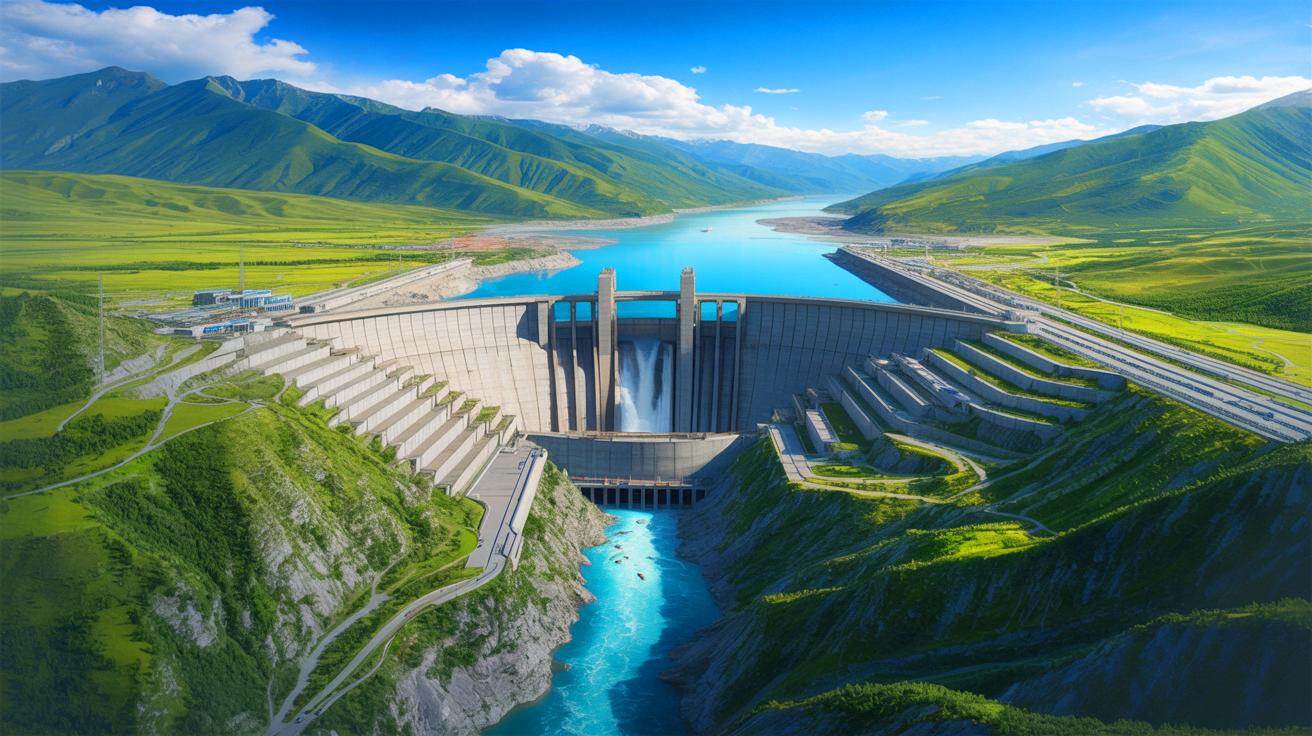
At the heart of the Tibetan Plateau, China has initiated the construction of an unprecedented hydroelectric complex. This project features five cascading power stations on the Yarlung Tsangpo River, projected to produce an astounding 300 billion kilowatt-hours annually. This output is triple that of the Three Gorges Dam, which previously held the world record for hydroelectric capacity.
With an estimated investment of $183 billion, the project is spearheaded by the state-established China Yajiang Group. China’s ambition is unmistakable: to lead the renewable energy sector while bolstering its energy sovereignty. The scale of this project underscores China’s commitment to renewable energy, but it also raises critical questions about its potential impact on regional geopolitics and environmental sustainability.
The Yarlung Tsangpo River: A Geopolitical Flashpoint
The Yarlung Tsangpo River does not stop at China’s borders. It transforms into the Brahmaputra as it flows through India’s Arunachal Pradesh and Assam, eventually reaching Bangladesh. This means the project extends beyond energy concerns, becoming a geopolitical flashpoint.
Control over the headwaters of this transboundary river grants China significant leverage over downstream countries. The agriculture of these regions is heavily dependent on natural water cycles, and any alteration could have dire consequences. The project has the potential to heighten tensions, particularly if China decides to use its upstream position for political leverage. As the Yarlung Tsangpo becomes a geopolitical tool, the risk of exacerbating existing regional conflicts grows.
Concerns in India and Bangladesh
India and Bangladesh have voiced their concerns over China’s control of the Brahmaputra. The potential disruption of water supply poses risks to agriculture, ecosystems, and local communities. These countries fear that China might use its control of the river as a geopolitical tool, especially during diplomatic tensions.
The specter of China manipulating river flow to cause droughts or floods adds to these concerns. This is particularly worrying given the ongoing territorial disputes between India and China over Arunachal Pradesh, which China claims as part of southern Tibet. The geopolitical stakes of this project extend beyond energy, touching upon water security and regional stability.
China’s Promises and Persistent Skepticism
In response to growing concerns, Chinese authorities have attempted to provide reassurances. Beijing claims that environmental studies guarantee no negative downstream impacts. The project is touted as beneficial, preventing natural disasters and aiding climate adaptation in the region.
The Chinese Foreign Ministry has stated that the dam will not be used for political purposes. However, these assurances face skepticism in a region where mutual trust is scarce. China must demonstrate transparency and cooperation to alleviate tensions and prevent conflict escalation.
This monumental hydroelectric project raises numerous questions. It presents a challenge for China to prove that it can coexist harmoniously with its neighbors’ interests. Can the pursuit of energy transition proceed without intensifying geopolitical tensions in South Asia?
As China continues its path toward renewable energy dominance, the balance between energy progress and geopolitical stability remains delicate. The scale and impact of the Tibetan Plateau project underscore the complexities of water politics and international relations in Asia. Will China succeed in its energy ambitions without compromising regional harmony?