
Blaze of Chaos Seizes Control: Unseen Force Dominates the Seas and Ignites Global Tensions
 By
Nathan Lieu
By
Nathan Lieu
| IN A NUTSHELL |
|
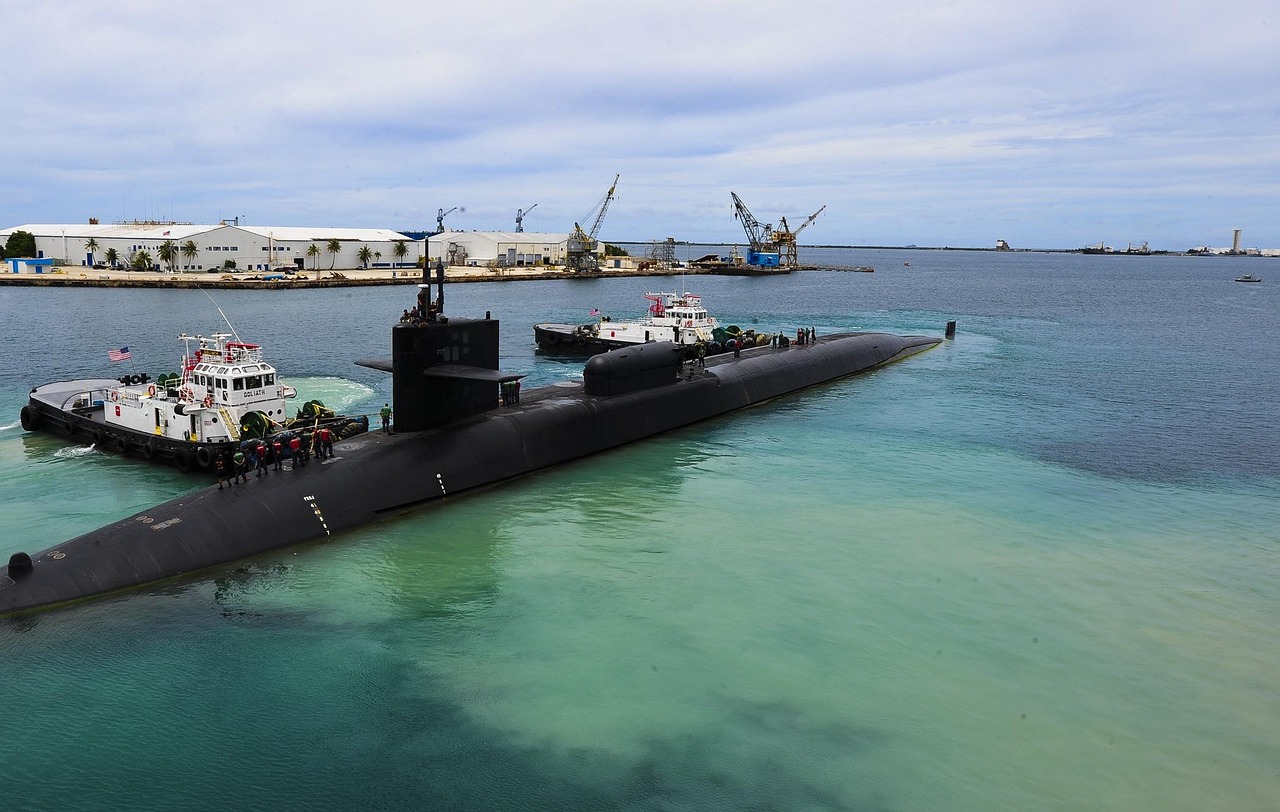
The USS Iowa, a state-of-the-art submarine, was welcomed into the U.S. Navy fleet in April 2025, marking a new chapter in underwater warfare. Constructed in Groton, this vessel is a beacon of technological advancement and crew comfort. It honors a storied maritime legacy while pushing the boundaries of innovation. This article delves into the features that make the USS Iowa a formidable presence on the seas.
Advanced Technology and Impressive Capabilities
The USS Iowa, weighing approximately 7,800 tons, is a marvel of advanced technology. It can dive to depths exceeding 800 feet and reach speeds of 28.5 miles per hour. What sets it apart is its silent propulsion system, which makes it challenging to detect, offering a significant strategic advantage. The submarine is powered by a nuclear reactor, granting it an operational autonomy of over three decades without refueling. Instead of traditional periscopes, it employs photonic masts that provide thermal and low-light imagery. These innovations establish the USS Iowa as a crucial asset in the U.S. Navy, enhancing its surveillance and combat capabilities.
These features underscore the strategic importance of the USS Iowa. Its ability to operate undetected and its extended operational range make it a critical tool in safeguarding national security and maintaining naval superiority. The integration of cutting-edge technology not only boosts its performance but also sets a new standard for future submarine designs.
A Rich Maritime Heritage
The name USS Iowa carries a rich historical significance, rooted in a tradition of naval excellence. Throughout history, several ships have borne this distinguished name, leaving indelible marks. A steamship served during the American Civil War, and the battleship USS Iowa BB-4 played a role in the Spanish-American War. The renowned BB-61 participated in both World War II and the Korean War, earning the nickname “The Gray Ghost” for its resilience and power. Today, BB-61 is a cherished tourist attraction, freely accessible to Iowa residents. The new USS Iowa continues this legacy, strengthening the cultural and historical ties to the state that shares its name.
This continuity honors the past while embracing the future, fostering a sense of pride and connection among those who serve aboard. The legacy of the USS Iowa is a testament to the enduring values of courage and dedication that the U.S. Navy upholds.
Crew Comfort and Innovation
Prioritizing the well-being of the crew was a key focus in the design of the USS Iowa. Tom Hudson, a Navy veteran, emphasizes the enhancements made for sailors’ daily comfort. Modern amenities such as ice machines, movie projectors, and gaming stations have been incorporated to improve life on board. These facilities aim to alleviate stress during missions that can extend up to 200 days. By providing a space for relaxation, the USS Iowa humanizes the living conditions at sea. This approach reflects a commitment to the sailors’ welfare, crucial for maintaining their morale and efficiency.
The emphasis on crew comfort acknowledges the demanding nature of naval service and recognizes the need for downtime and recreation, which are vital for sustaining high performance over long deployments.
An Emblem Rich in Symbols
The official crest of the USS Iowa (SSN-797) is a tribute to the state of Iowa and its fallen sailors. The central element, the state seal, is surrounded by teak planks reminiscent of the BB-61 battleship’s decks. The inscriptions “USS IOWA” and “SSN 797” are framed by a golden rope adorned with 47 silver stars, symbolizing the 47 sailors lost in a turret explosion in 1989. The outline of Iowa, in the colors of its flag, crowns the crest. This aesthetically pleasing design embodies the spirit of the state, honoring its history and sacrifices. Sailors of the USS Iowa wear this emblem with pride, commemorating past heroes while advancing their missions.
The crest serves as a powerful reminder of the sacrifices made by those who served before and instills a sense of duty and honor in the new generation of sailors. It binds the past with the present, creating a legacy that is carried forward with each mission.
As the USS Iowa prepares to set sail, it represents more than just a submarine. It embodies American innovation and maritime heritage. With its technological advancements and focus on crew comfort, it poses an essential question: how will naval forces evolve to meet future challenges while honoring their traditions?