
“Dyson’s Gone Mad!”: This Vacuum Titan Delves Into Agriculture with a 5-Acre Strawberry Innovation That Stuns the World
 By
Nathan Lieu
By
Nathan Lieu
| IN A NUTSHELL |
|
In a bold and unexpected move, Dyson, renowned for its cutting-edge home appliances, has ventured into the realm of agriculture. More specifically, the company is revolutionizing strawberry cultivation. Since 2021, Dyson has been pioneering a unique vertical farming system in Lincolnshire, UK. This ambitious project is designed to maximize yield while optimizing space and resources. With the integration of high-tech solutions in traditional farming practices, Dyson is not only enhancing production but also paving the way for a new era of sustainable agriculture.
Revolutionary Strawberry Cultivation Technology
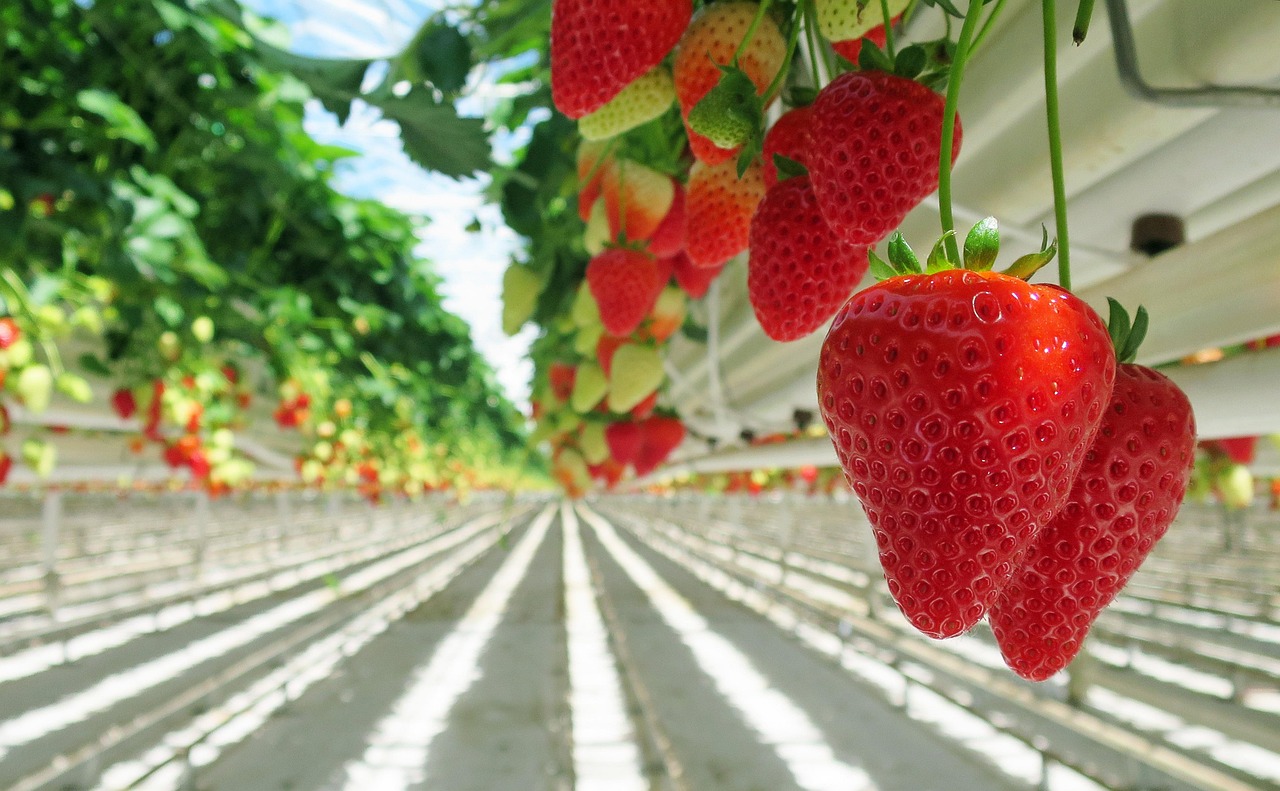
At the heart of Dyson’s innovation is the use of rotating strawberry plants. This ingenious method ensures optimal light exposure and employs 18-foot structures to maximize available space. With this system, Dyson has successfully increased yields by 250% compared to traditional soil-less cultivation methods. The rotating technology is not merely a strategy to increase plant density; it also allows precise control over sunlight and artificial lighting, especially through the use of LED lamps during winter months.
James Dyson, the company’s founder, likens this approach to industrial manufacturing, where every aspect of the process is optimized for efficiency. This method could potentially redefine urban agriculture and provide a viable alternative to conventional farming practices. The integration of such technology in agriculture could lead to significant advancements in food production efficiency.
An Impressive Infrastructure
Dyson’s farm spans over half a mile and houses more than 1,225,000 strawberry plants. This facility is designed to produce over 1,250 tons of strawberries annually. One major challenge of greenhouse farming is energy consumption. To address this, Dyson employs anaerobic digesters that convert organic waste into gas. This gas fuels a generator that heats the greenhouse and powers the equivalent of 10,000 homes.
Additionally, rainwater is collected and used for irrigation, boosting production by 15% compared to traditional systems. This sustainable approach demonstrates how technological innovation can address current environmental challenges while maintaining high agricultural production levels. Such methods are crucial for the future of sustainable farming.
Overcoming Commercial Challenges
Despite the immense potential of this project, Dyson still faces the challenge of commercializing its strawberries. The company has invested $175 million in this ambitious endeavor and is collaborating with the UK retailer Marks & Spencer to market its fruits. However, turning this technology into a commercial success will require overcoming logistical and distribution hurdles.
Dyson’s reputation for technological innovation could play a critical role in the acceptance of this new agricultural model. How will consumers react to strawberries grown in high-tech greenhouses? Only time will tell, but Dyson’s initiative could pave the way for more sustainable and technologically advanced agriculture. The future of farming may very well depend on such pioneering efforts.
Toward the Agriculture of the Future?
Dyson’s project exemplifies a growing trend toward the integration of technology in agriculture. By combining industrial manufacturing techniques with farming practices, Dyson could transform how we perceive food production. This synergy between technology and agriculture presents exciting prospects for meeting the increasing global food demands.
Innovations like those developed by Dyson could also inspire other companies to explore new approaches to enhance agricultural efficiency and sustainability. As climate and environmental challenges mount, these solutions may become essential for ensuring global food security. Will other companies follow Dyson’s innovative path to transform modern agriculture?
Dyson’s exploration and refinement of its strawberry cultivation methods open numerous possibilities for the future of agriculture. As challenges in food production and sustainability continue to rise, could Dyson’s approach become the blueprint for modern, efficient farming practices worldwide?