
Fear Grips Crew: Navy Battles Mysterious Collapse on $13 Billion Aircraft Carrier
 By
Nathan Lieu
By
Nathan Lieu
| IN A NUTSHELL |
|
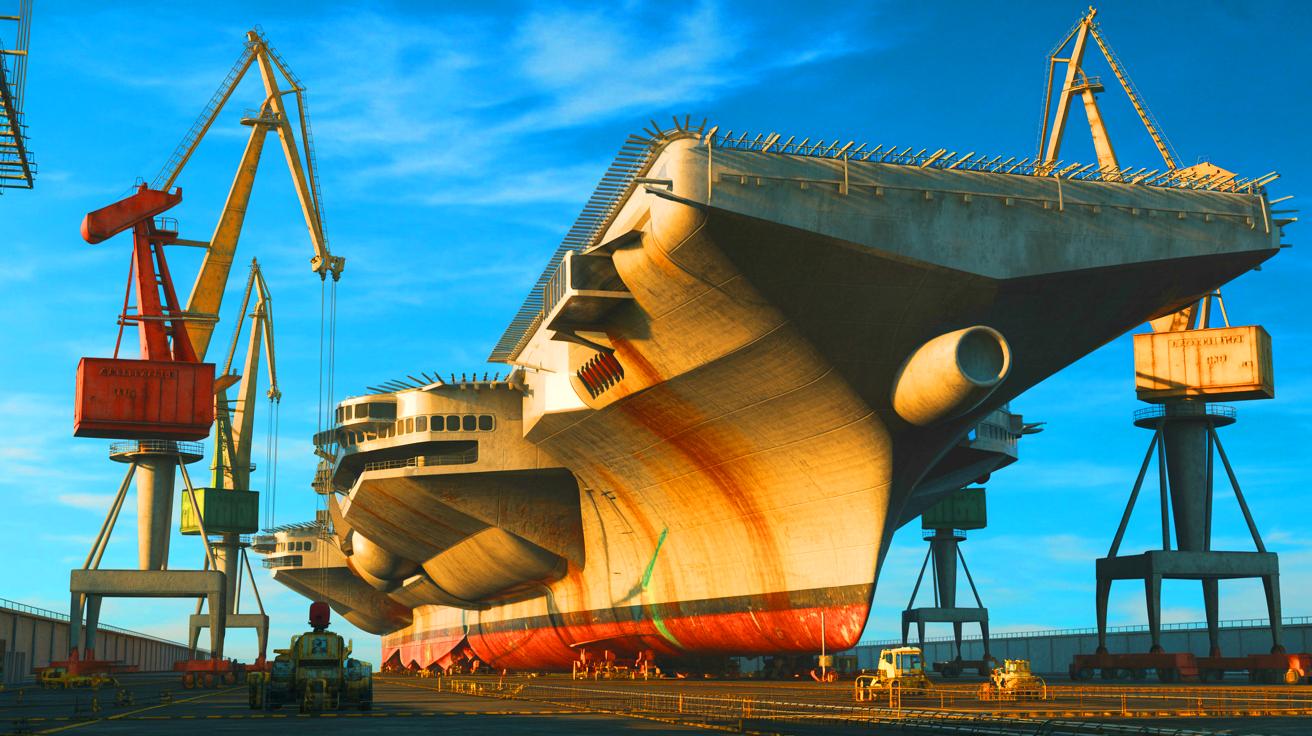
The decommissioning of nuclear-powered aircraft carriers poses significant economic and environmental challenges for the U.S. Navy. These monumental ships, once symbols of military might, become financial burdens as they reach the end of their operational life. The complexities of dismantling these carriers raise questions about effective management strategies while minimizing financial and ecological impacts. As the Navy navigates these challenges, the search for innovative, sustainable solutions becomes increasingly urgent.
Financial Burdens of Dismantling Aircraft Carriers
The construction of a nuclear-powered aircraft carrier is a significant financial undertaking for the U.S. Navy. However, when these vessels reach the end of their life, they transition from valuable assets to substantial financial liabilities. The dismantling process is not only expensive but also highly intricate. The costs involved often exceed the value of the recoverable materials, such as steel, which require meticulous handling during deconstruction. Companies tasked with dismantling face expenses that surpass the potential profits from recycling. Furthermore, the onboard technologies, though outdated, demand stringent protection to prevent espionage. These factors highlight the necessity for thorough financial and strategic planning to manage these colossal ships effectively.
This behemoth of 1,106 feet redefines military power with its 100,000 tons of steel and unmatched strength
Recovering Technology from Aging Giants
Despite the economic challenges, the technologies housed within these carriers should not be underestimated. Although often obsolete, some technologies can be updated for new applications. However, the extraction and repurposing of these systems require substantial resources, diminishing potential profits. Command, detection, and weapon systems, while outdated, may still hold value after modernization. The management of nuclear materials, on the other hand, demands strict protocols to mitigate ecological and health risks. This complexity raises questions about optimizing technology recovery processes within a sustainable strategy.
Panic aboard U.S. nuclear aircraft carriers following an unexpected major issue
Massive Metal Resources
Aircraft carriers are rich in recyclable metals. The hulls and metal structures offer significant recycling potential. If recyclers can process these metals efficiently, the recovered steel could be used in constructing new ships, vehicles, or buildings. Although aging, electronic components can be adapted for new uses, from wiring to modernized systems. The deconstruction process remains challenging, requiring careful removal of nuclear fuel and preparation of an environmental impact statement. These complexities emphasize the need for an innovative and sustainable approach to material recycling.
“I tripled my sales in a week thanks to Buy-Fans.com”: the Google review supplier that is skyrocketing e-reputations
“Robots Conquer Farms”: China’s Bold Leap Into Hands-Free Agriculture Sparks Global Tech Race
Environmental and Risk Management Challenges
The demolition of an aircraft carrier involves more than just cutting it up. It requires rigorous procedures to limit environmental impacts. Preparing an environmental impact statement is crucial to ensure hazardous materials are managed appropriately. Managing nuclear materials and other dangerous substances adds another layer of complexity to the dismantling challenges. The U.S. Navy must balance the need to dispose of these vessels with the imperatives of safety, cost, and environmental stewardship. These challenges underscore the importance of proactive and innovative management to minimize the ecological and financial impacts of decommissioning.
The challenges associated with the end-of-life management of nuclear-powered aircraft carriers raise significant strategic questions. The U.S. Navy must continually seek ways to handle these symbols of military strength responsibly and sustainably. As costs and risks continue to rise, what new strategies could be developed to transform these giant vessels into opportunities rather than financial liabilities?