New Japanese Treatment Promises ‘My Teeth Grew Back at 40’ That Divides Global Medical Community Over Regeneration Breakthrough
 By
Anjali Mehra
By
Anjali Mehra
| IN A NUTSHELL |
|
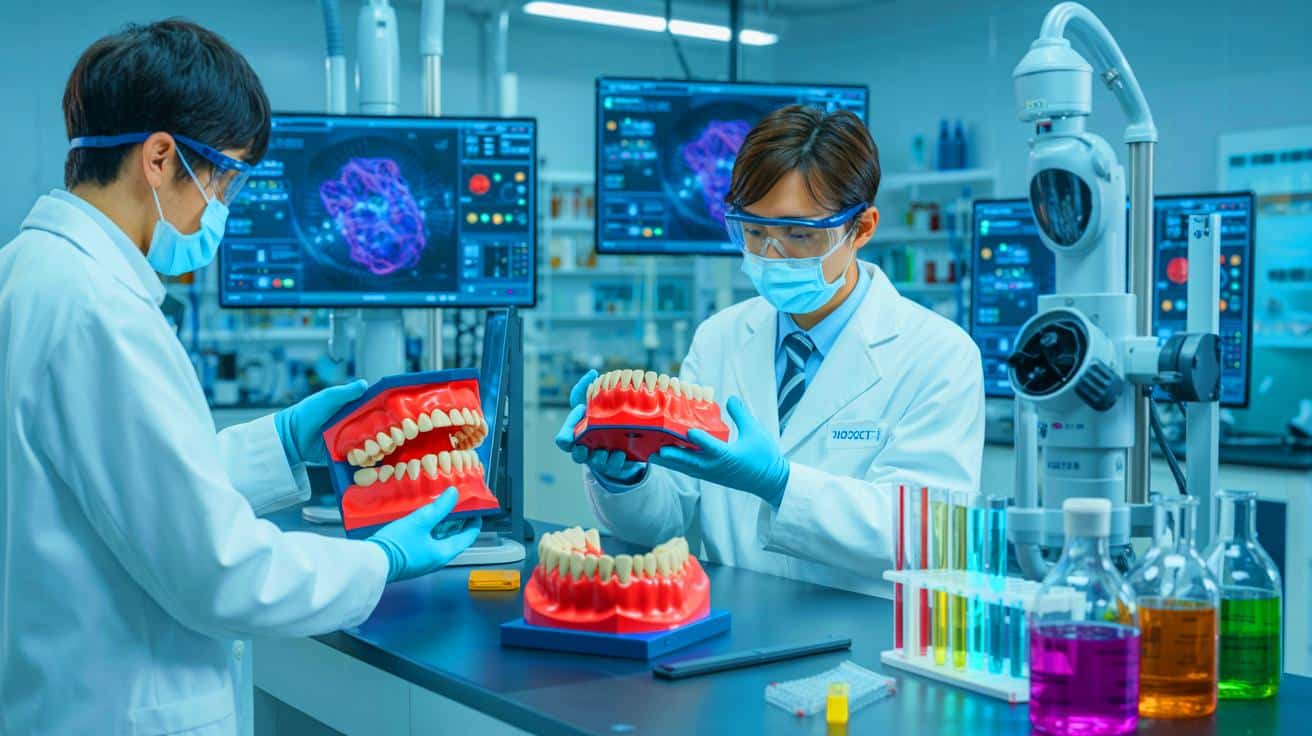
In recent years, the field of dental medicine has largely relied on mechanical solutions for tooth loss, such as dental prosthetics and implants. However, a groundbreaking development by Japanese researchers is exploring the potential for human tooth regeneration through molecular biology. This innovation holds the promise of revolutionizing therapeutic approaches by potentially replacing artificial solutions with living, functional teeth. Ongoing clinical trials are currently examining the feasibility of tooth regrowth, a discovery that, if successful, could profoundly alter the landscape of dental care and offer new possibilities for regenerative medicine.
The Challenge of Dental Regeneration
Humans, unlike certain animals such as sharks, lack the natural ability to regenerate teeth. This limitation is primarily due to the complex structure of human teeth, which are coated with an exceptionally hard layer of enamel. As a result, natural regeneration is nearly impossible. Historically, dental medicine has addressed tooth loss through artificial means such as implants and dentures, which, while functional, do not replicate the living qualities of natural teeth.
Recent research has identified the presence of dormant dental buds in human gums, which have the potential to develop into a third generation of teeth. The challenge lies in understanding the biological mechanisms that prevent these buds from developing and finding a way to activate them. This endeavor is part of a broader movement within regenerative medicine aimed at repairing and regenerating damaged tissues and organs.
Les Chercheurs Accusent: The US Ignored Fusion Potential, Wasting 2 Kilograms of Tritium Annually
A Promising Japanese Breakthrough
Since 2018, Professor Katsu Takahashi and his team have been pioneering an innovative treatment using antibodies to stimulate dental growth. Central to their research is the protein USAG-1, which inhibits the development of dental buds. By blocking this molecule, the researchers successfully induced the growth of new teeth in mice and ferrets. These promising preclinical results have paved the way for a clinical trial involving adults with missing teeth.
The initial findings are encouraging, with no significant side effects reported. If these trends continue, the treatment could emerge as a viable alternative to dental prosthetics, particularly for younger patients. The researchers also aim to extend this approach to children with dental agenesis, a rare congenital anomaly that results in missing teeth.
Challenges to Overcome
Despite the advances, several hurdles remain before tooth regeneration can become a clinical reality. A key challenge is ensuring that the regenerated teeth have the appropriate shape and function. Animal trials have shown that the newly grown teeth do not always match the desired anatomical type, which could pose issues for chewing and dental aesthetics.
Researchers must also ensure that the biological manipulations necessary to stimulate dental growth do not negatively impact other bodily tissues. The Japanese team is focused on targeted actions to minimize risks. Additionally, ethical and economic questions arise regarding the treatment’s accessibility and application. Establishing criteria for its use, particularly concerning cost and target demographics, is essential.
Entering a New Era in Dental Medicine
If ongoing clinical trials confirm the potential of this approach, it could signal a major turning point in dental medicine. The ability to regrow living, functional teeth could redefine therapeutic standards and challenge the notion that certain body parts cannot regenerate. This breakthrough could reduce reliance on implants and prosthetics, promoting a more natural form of regenerative medicine.
The implications of such an innovation are far-reaching. It could not only transform dental care but also influence research on the regeneration of other tissues and organs. The question remains: how will this discovery shape the future of regenerative medicine and enhance our understanding of human biology?