Supersonic Concorde’s Legacy: “We Flew Into Tomorrow” Sparks Passionate Debate Over Its Groundbreaking Yet Untimely Demise
 By
Anjali Mehra
By
Anjali Mehra
| IN A NUTSHELL |
|
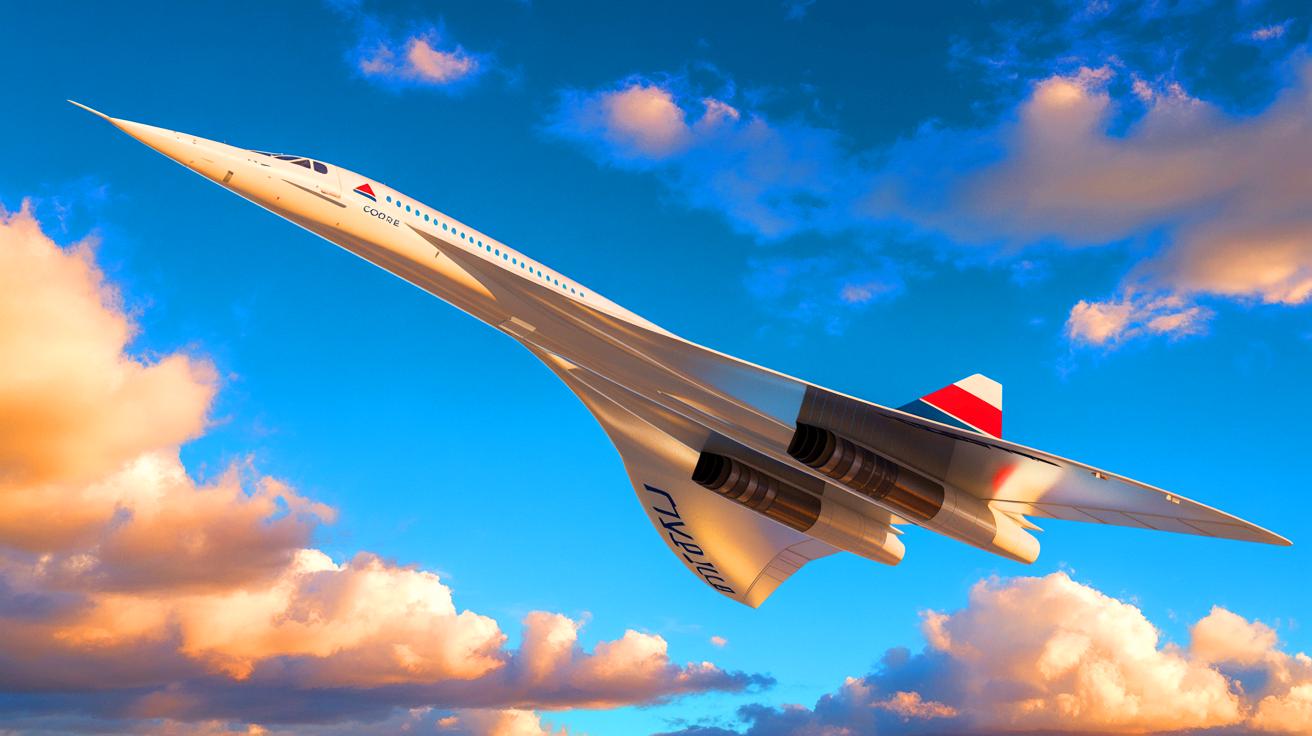
The Concorde remains an enduring symbol of innovation and luxury in aviation history. Born from a unique Franco-British partnership, this supersonic aircraft captured the imagination of the global elite for nearly three decades. Despite its retirement in 2003, the Concorde continues to fascinate for its technological prowess and the many tales surrounding it. This article delves into the lesser-known aspects of this aviation icon, exploring its creation, legacy, and the dramatic events that contributed to its storied history.
The Genesis of a Complex Collaboration
The Concorde emerged from a groundbreaking partnership between France and the United Kingdom. This collaboration required significant negotiation and compromise between two distinct industrial cultures. French and British engineers worked tirelessly to harmonize their visions, striving to create an aircraft capable of unprecedented commercial speeds. The development process was marked by debates over the delta wing design and the integration of cutting-edge technologies. This union ultimately led to a remarkable technological achievement, symbolizing the ambition and determination of both nations.
Despite the challenges, the collaboration forged a new path in aviation. The Concorde’s creation was not only a testament to international cooperation but also a beacon of hope for future technological endeavors. The project demonstrated that when nations combine their strengths, they can achieve what was once thought impossible. This legacy continues to inspire leaders and engineers worldwide, encouraging them to pursue innovative solutions through collaboration.
Unmatched Performance
The Concorde was more than just a fast airplane; it was a machine that seemed to defy time itself. Capable of flying at Mach 2, or roughly 1,370 mph, it could travel from Paris to New York in just over three hours. This incredible speed allowed passengers to “gain” time, departing after sunset and arriving in daylight. The ability to outpace the Earth’s rotation solidified the Concorde’s image as a technological marvel, captivating the public’s imagination.
While the Concorde was known for its speed, its influence extended beyond mere performance. It set a new standard for what was possible in aviation, pushing the boundaries of engineering and design. The aircraft’s legacy is evident in today’s high-speed travel technologies, which continue to draw inspiration from its groundbreaking achievements. As we look to the future, the Concorde’s impact on aviation remains a testament to human ingenuity and the relentless pursuit of progress.
A Symbol of Prestige and Exclusivity
Flying on the Concorde was a privilege reserved for the elite. With ticket prices often exceeding $7,000 for a one-way journey, it became a symbol of prestige. Business executives, celebrities, and heads of state were among the aircraft’s regular passengers. The Concorde offered a unique experience, transforming a simple flight into an exclusive event. This aura of luxury helped cement its legendary status, making each journey a memorable adventure.
The Concorde’s exclusivity also highlighted the disparities in access to technological advancements. While it represented the pinnacle of luxury travel, it also underscored the divide between those who could afford such experiences and those who could not. This aspect of the Concorde’s legacy prompts reflection on the broader implications of technological progress and its accessibility to all. As new innovations emerge, the challenge remains to ensure that they benefit society as a whole.
A Tragic Accident and Its Aftermath
On July 25, 2000, a tragic accident marred the Concorde’s history. Air France Flight 4590 crashed shortly after takeoff, resulting in the deaths of 113 people. This disaster, coupled with high maintenance costs and declining air traffic following the September 11, 2001, attacks, hastened the Concorde’s end. In 2003, the aircraft made its final commercial flight, closing the chapter on an era of supersonic travel. The accident left an indelible mark on its legend.
The tragedy highlighted the inherent risks of pushing technological boundaries. While the Concorde represented a leap forward in aviation, it also served as a reminder of the potential consequences of such advancements. As the aviation industry continues to evolve, lessons learned from the Concorde’s history will play a crucial role in shaping future developments. The focus on safety and sustainability remains paramount, guiding the next generation of aviation pioneers.
The Concorde: A Living Legacy
Despite its retirement, the Concorde continues to captivate enthusiasts. Of the 20 aircraft built, 18 remain on display in museums worldwide. These exhibits allow aviation fans to appreciate this technological marvel and understand its impact on modern aviation. The Concorde stands as an example of bold innovation, inspiring future generations to push the boundaries of possibility. How will this legacy influence the future of aerospace development?
As we look back on the Concorde’s remarkable journey, its story serves as a reminder of the power of human ingenuity and the spirit of collaboration. The aircraft’s legacy endures, challenging us to consider the role of innovation in shaping our world. What lessons from the Concorde’s history will guide the next wave of aviation advancements, and how will they reshape our understanding of what is possible?