
The Massive Aircraft: “It’s a Giant Leap Forward” for Delivering Wind Turbines to Remote Areas
 By
Nathan Lieu
By
Nathan Lieu
| IN A NUTSHELL |
|
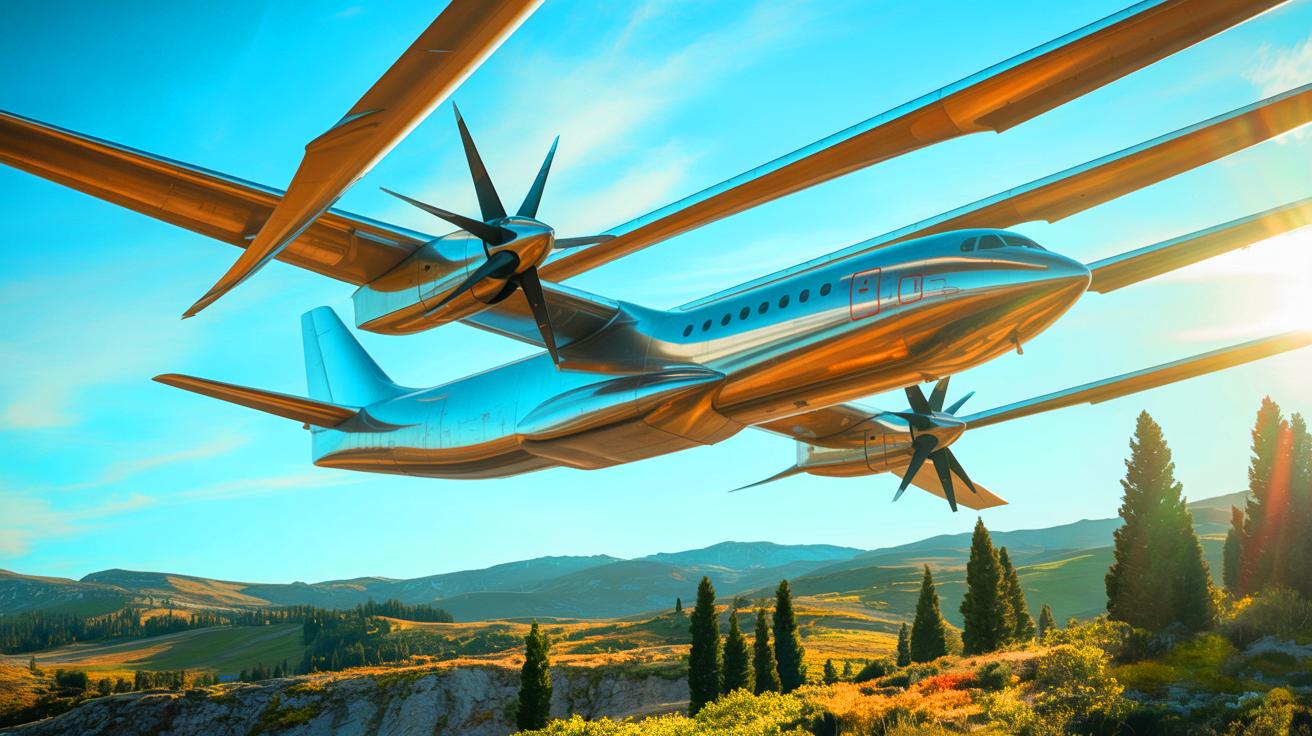
The WindRunner, a groundbreaking cargo aircraft developed by Radia, represents a significant leap forward in the transportation of land-based wind turbines. Designed to tackle the logistical challenges associated with transporting these massive structures, the aircraft is notable for its impressive size and advanced technical capabilities. By leveraging a strong network of partners and substantial funding, Radia aims to accelerate the global energy transition. The WindRunner could potentially redefine how renewable energy is deployed on an international scale.
A Logistics Breakthrough for Wind Energy
The transportation of land-based wind turbines has long been a major challenge for the energy industry. Traditional methods of transport, such as by road or rail, often fall short when dealing with turbine blades that can exceed 230 feet in length. The WindRunner offers an innovative solution to these constraints. Capable of transporting turbines directly to remote sites, this aircraft opens new opportunities for the installation of wind farms in previously inaccessible areas.
By facilitating the delivery of wind turbines, the WindRunner enables the installation of these structures in remote regions, thereby increasing the potential for renewable energy production. With its colossal dimensions, this cargo aircraft could be the key element in overcoming logistical obstacles and accelerating the transition to more sustainable energy sources.
Radia: A Pioneer in Aeronautical Innovation
Founded in 2016, Radia has established itself as a key player in aeronautical innovation. Under the leadership of Mark Lundstrom, the company has garnered attention with its ambitious and innovative projects. The WindRunner exemplifies this commitment by directly addressing the logistical challenges of renewable energy. Radia demonstrates its ability to anticipate the future needs of the sector.
Radia’s success is built on strategic partnerships and a robust network of investors. With nearly $100 million raised, the company has the resources needed to realize its ambitions. Alliances with leaders in the aeronautics industry enhance the credibility and feasibility of the WindRunner project, ensuring its long-term success.
Technical Features of the WindRunner
The WindRunner stands out with its technical specifications that place it at the pinnacle of aeronautical innovation. Boasting a fuselage of 354 feet, the aircraft surpasses the dimensions of existing cargo planes. Its volumetric capacity of over 290,000 cubic feet makes it an indispensable tool for transporting wind turbines. Additionally, designed to utilize runways as short as 5,900 feet, it offers unmatched flexibility for accessing isolated sites.
This technical feat results from meticulous design work, combining strength and efficiency. The WindRunner meets the specific needs of land-based wind turbine transport, playing a major role in expanding the installation capabilities of wind farms. This advancement is crucial for enhancing the contribution of wind turbines to renewable energy production.
Impact on Global Energy Transition
The WindRunner arrives at a critical moment for the global energy transition. According to the International Energy Agency, land-based wind energy could account for up to 40% of global energy production by 2050. By facilitating the installation of turbines in remote areas, the WindRunner plays an essential role in accelerating this transition.
By optimizing the use of wind resources while reducing carbon emissions, the WindRunner contributes to the decarbonization of the energy sector. By making wind energy more accessible, this aircraft actively participates in the fight against climate change. The WindRunner not only redefines the standards of air transport but also opens new perspectives for the future of land-based wind energy.
With its impressive capabilities and dimensions, the WindRunner positions itself as a key player in the global energy transition. By facilitating the transport and installation of large wind turbines, it makes wind energy more accessible and efficient. As the world moves towards a more sustainable economy, what other revolutionary innovations might emerge to support this shift towards greener energy?