Thousands Shocked: ‘Giant Scam’ Costs Investors Up to $50,000 in Electric Scooter Fraud Across 20 U.S. States
 By
Daniel Okada
By
Daniel Okada
| IN A NUTSHELL |
|
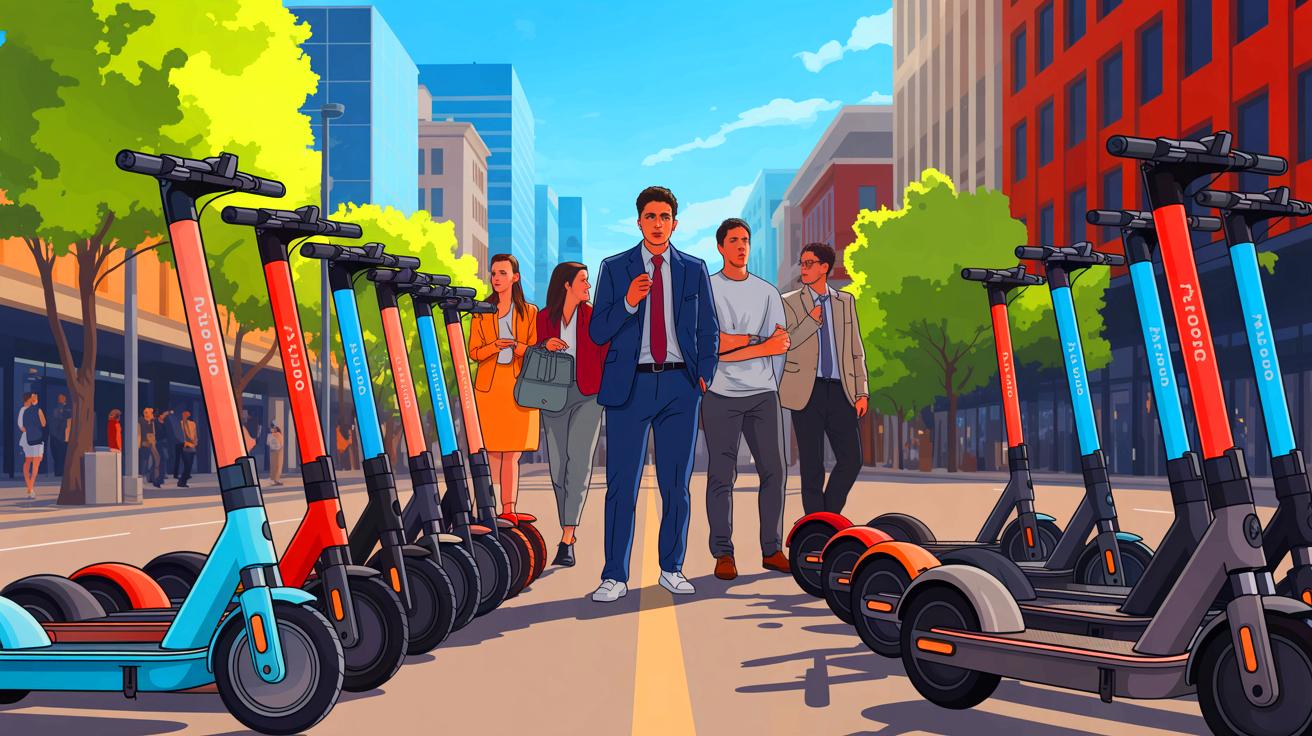
Electric scooters have become a symbol of modern urban mobility, offering a quick and flexible means of transportation. While some praise their convenience, others criticize their safety and the chaos they bring to city streets. Despite these divided opinions, their popularity continues to grow worldwide, especially in Asia. Recently, however, this booming industry has been marred by an international scandal, revealing a widespread fraud involving a scooter rental network. This case underscores significant challenges in the industry, particularly concerning regulation and investor protection.
A Fraud Hidden Behind Apparent Success
The Lightning Shared Scooter Company (LSSC) emerged as a leading player in Asia’s electric scooter market. Its business model promised investors lucrative daily returns, attracting many, especially from Western countries. The pitch was straightforward: invest in expanding the scooter fleet, and profits from rentals would flow back to investors. However, the reality was starkly different. LSSC operated a pyramid scheme, paying earlier investors with funds from new ones. The collapse of this scheme exposed the fraudulent operations and the extent of the deception.
The promise of easy gains attracted numerous investors, many of whom were inexperienced.
Such frauds often capitalize on the allure of high returns that seem too good to be true. The downfall of LSSC serves as a cautionary tale, highlighting the need for increased vigilance against financial promises that lack transparency.
Significant Financial Losses
The repercussions of this fraud are severe, particularly in North America. The Better Business Bureau (BBB) reports that victims are spread across at least 20 U.S. states and three Canadian provinces. Financial losses range from $1,000 to $55,000, depending on individual investments. Many investors were introduced to the scheme by friends or family, often incentivized to recruit others with bonuses. Cryptocurrency payments, commonly associated with financial frauds, were also part of the scheme. This has not only led to substantial individual financial losses but has also caused numerous familial disputes.
When something seems too good to be true, it often is not true.
This case underscores the critical need for caution when faced with investments promising high returns, especially when foreign operations are involved.
Impact on the Electric Scooter Market
The scandal has significantly affected the electric scooter market, particularly in regions where LSSC operated. Investor and consumer confidence has been severely shaken. Rental companies must now work harder to demonstrate their transparency and reliability. This situation might eventually lead to stricter regulation of the sector to prevent similar incidents. For users, the case emphasizes the need for caution when choosing rental operators. Consumers should also be aware of the potential risks associated with using and renting these vehicles.
Implications for the Future of Urban Mobility
Despite controversies, the popularity of electric scooters as an eco-friendly and practical urban mobility solution remains strong. However, scandals like the one involving LSSC raise concerns about regulation and oversight in this sector. Local and national authorities may need to adopt stricter rules to govern these activities. This includes enforcing financial transparency and enhancing safety measures for users. The future of urban mobility could hinge on the ability of stakeholders to establish a lasting climate of trust.
The pressing question is: how can regulators and companies collaborate to ensure safe and transparent urban mobility in the future? These events prompt reflection on the measures needed to protect consumers and investors while encouraging innovation.