
“Send Him to Space”: Jane Goodall Compares Trump to a Dominant Chimpanzee, Taking Aim at Elon Musk
 By
Daniel Okada
By
Daniel Okada
| IN A NUTSHELL |
|
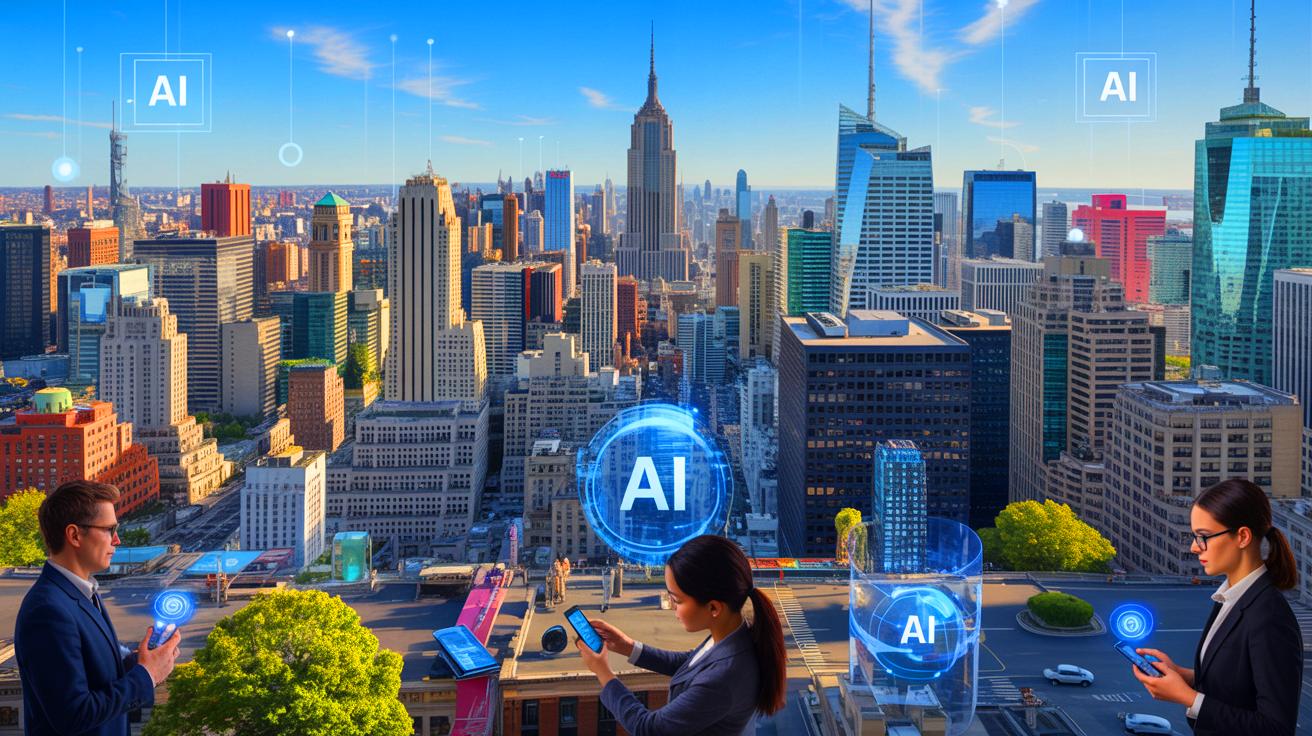
In recent years, the integration of artificial intelligence (AI) into various industries has been both a driving force and a point of contention. The U.S. economy, in particular, has become increasingly reliant on technological advancements, leading to the notion that without AI, the entire framework may face potential collapse. This dependency raises questions about sustainability and the risks of placing too much faith in a rapidly evolving technological bubble. As we delve into the intricacies of AI’s impact on the economy, it’s crucial to explore both the opportunities it presents and the potential pitfalls that could arise if this technological reliance is not appropriately managed.
The Rise of AI in the American Economy
The American economy has seen a significant transformation with the rise of artificial intelligence. AI technologies are not only enhancing productivity but also creating new business opportunities. Major corporations are investing heavily in AI to streamline operations and improve customer engagement. This technological shift has led to increased efficiency across various sectors, from healthcare to finance.
However, this rapid integration of AI also poses certain risks. The reliance on technology can lead to vulnerabilities, especially if systems are not adequately safeguarded against cyber threats. Moreover, the displacement of jobs due to automation remains a pressing concern, with many workers needing to adapt to new roles that require different skill sets. The question then arises: is the economy’s dependence on AI sustainable in the long term?
Potential Pitfalls of Technological Dependency
While AI offers numerous benefits, the potential pitfalls of an over-reliance on technology cannot be overlooked. The tech bubble, much like the dot-com bubble of the late 1990s, presents a risk if not managed with caution. A sudden downturn in tech investments could have far-reaching consequences for the broader economy. It is crucial for policymakers and businesses to develop strategies that mitigate these risks.
Moreover, ethical considerations are paramount as AI becomes more integrated into daily operations. Issues such as data privacy and algorithmic bias need to be addressed to ensure that AI technologies are used responsibly and equitably. This requires ongoing dialogue between tech companies, regulators, and the public to create a balanced approach that fosters innovation while safeguarding societal interests.
The Role of Innovation and Regulation
Innovation is at the heart of AI’s influence on the economy. New business models are emerging, driven by AI capabilities that were previously unimaginable. Startups and established companies alike are capitalizing on AI to gain competitive advantages. However, this rapid pace of innovation also necessitates robust regulatory frameworks to prevent misuse and ensure fair competition.
Regulators face the challenge of keeping up with the fast-evolving tech landscape. Crafting policies that encourage innovation while protecting consumer interests is a delicate balancing act.
There is a pressing need for legislation that not only addresses current challenges but is also adaptable to future technological advancements.
The role of government in shaping the future of AI is pivotal, as it must foster an environment where technology can thrive without compromising ethical standards.
Preparing for an AI-Driven Future
As we look to the future, preparing for an AI-driven economy involves equipping the workforce with the necessary skills to thrive in a tech-centric environment. Educational systems need to adapt, offering training programs that focus on digital literacy and AI competencies. Collaboration between educational institutions and industry leaders is essential to bridge the skills gap and ensure that workers are prepared for the jobs of tomorrow.
Furthermore, fostering a culture of continuous learning will be integral to adapting to technological advancements. Companies must invest in upskilling and reskilling initiatives to maintain a competitive edge and support employee growth. The ability to adapt to new technologies will be a defining factor in economic resilience and success in an AI-driven world.
The integration of AI into the American economy presents both opportunities and challenges that must be navigated thoughtfully. As technological advancements continue to reshape industries, a balanced approach that considers both innovation and regulation is essential. How can society ensure that AI enhances economic growth while safeguarding against potential risks? This ongoing conversation will shape the future of technology and its role in the economy.