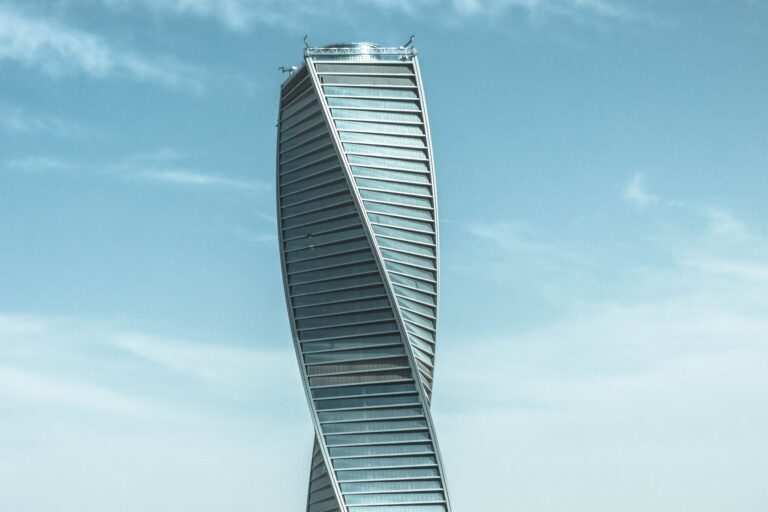
“We’ll Live Higher Than the Clouds”: This Daring Brazilian Project Plans a 1,640-Foot Tower of Dreams and Luxury Living
 By
Daniel Okada
By
Daniel Okada

| IN A NUTSHELL |
|
Santa Catarina, a vibrant city in Brazil, is set to make history with the construction of the world’s tallest residential tower. Planned to rise over 1,640 feet, this tower will not only be an architectural marvel but also a symbol of Brazilian urban ambition. Scheduled to break ground by the end of the year, the project promises to redefine the city’s skyline and offer a fresh perspective on luxury urban living. As anticipation builds, one wonders what role this tower will play in the annals of modern architecture.
An Ambitious Project at the Heart of Santa Catarina
Soaring majestically above Santa Catarina, the future residential tower aims to become an architectural beacon. This endeavor is part of a bold urban modernization strategy that seeks to position the city as a center of innovation and luxury. The choice of Santa Catarina is strategic; the city is experiencing significant economic and cultural growth, attracting increasing investments. The tower itself will be a technical feat, requiring the expertise of thousands of engineers and workers. Although primarily a residential skyscraper, it promises to compete with the world’s largest structures. Despite its impressive dimensions, the tower will stand 984 feet shorter than Dubai’s Burj Khalifa, which continues to dominate the global skyline.
An Unprecedented Technical Challenge
Constructing a tower exceeding 1,640 feet presents a significant technical challenge. Every phase, from the foundation to the installation of safety systems, demands meticulous planning and the use of advanced technologies. To support such height, the building will utilize innovative materials and cutting-edge construction techniques. Engineers will also need to integrate energy and water management systems to ensure the structure’s sustainability. The challenges of building at such heights include resistance to strong winds and earthquakes, factors that the project team must address to guarantee the safety of future residents.
Economic and Social Impact
The economic impact of this project on both local and national levels will be substantial. In addition to boosting employment in the construction sector, the tower is expected to attract foreign investments and promote tourism in Santa Catarina. Hundreds of jobs will be created to meet the needs of constructing and managing this colossal structure. Socially, the tower will symbolize a new era of luxury and modernity, providing prestigious housing to an international clientele. However, it also raises questions about local residents’ access to housing and the ecological impact of such construction.
Toward a New Architectural Era
The Senna Tower is more than just a building; it represents a futuristic vision of urbanism. It aligns with a global trend where cities strive to push the boundaries of architecture. This quest for height and grandeur reflects a desire to make history while addressing the growing need for urban housing. By erecting this tower, Santa Catarina aims to compete with major global metropolises and establish itself as a hub of architectural innovation. Could this project inspire other cities to undertake similar ventures, thereby transforming the global urban landscape?
As Santa Catarina prepares to host this modern architectural marvel, many questions remain. How will this tower influence future urban development? What will be the long-term environmental and societal repercussions? These inquiries highlight the importance of thoughtful and sustainable urban planning. How will cities balance architectural innovation with social responsibility?